Jakub Szachnowski
“THE PROOF”
Curator: Paweł Klein
3.09.2026 — 27.09.2026
Exhibition opening: 3.09.2026 / 20:30
the exhibition is part of the Frames of Sopot Photography Festival held under the patronage of the City of Sopot and State Art Gallery in Sopot
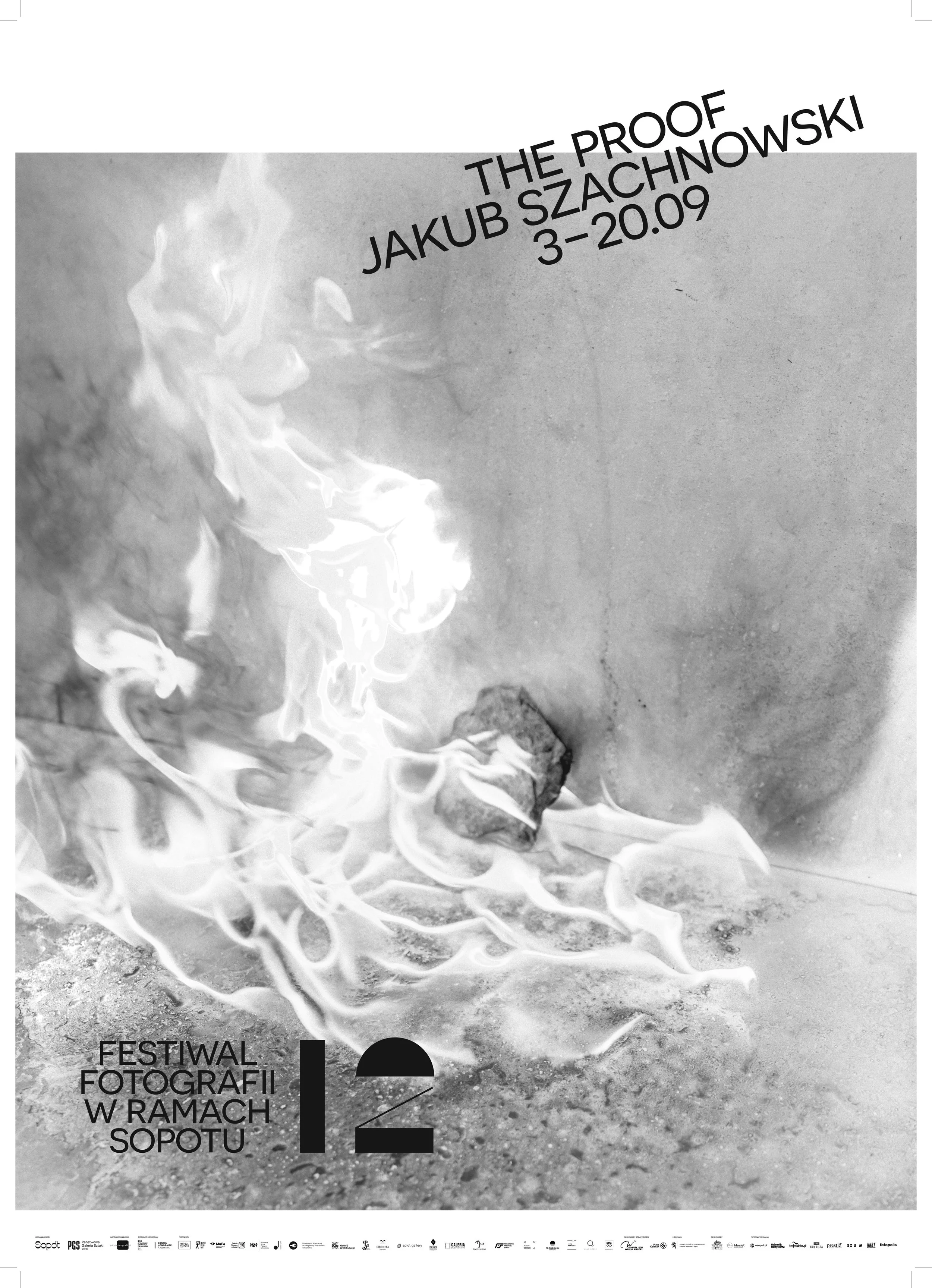
On the map, as in reality, there is only one Mount Wdżar. A map, precise by design, is an instrument that can be folded correctly only according to a technical standard. Otherwise, repeated careless unfolding and refolding erodes its detail. It gives way first at the creases, which wear thin until they tear. Then the loose, scattered sections cease to guide those searching for their destination, and reality yields to imagination, to conjecture, and finally to distortion.
To examine the facts surrounding Wdżar is to invite confabulation. Its rocks contain Pieniny andesite, a mineral geologically anomalous to the site, which gives rise to magnetic irregularities: a trace, held in the memory of cooling magma, of the Earth's reversed polarity. This is a hypothesis.
The andesite substrate is home to Poland's only known colony of rusty woodsia fern. In folk tradition, the fern flower, if found on the night of the solstice, was said to bestow great fortune. No one has ever found it.
As for the undisputed facts, the list is long, for Wdżar is exceptionally developed for tourism: a ski lift, a summer toboggan run, a ropes course, the Joy Ride Bike Park, an educational trail through the quarry, climbing routes, a paragliding launch site. Looking down on this panopticon from close range stands a sculpture by Władysław Hasior with a contested history. To some, then, the mountain is an enigmatic formation; to others, a showcase of tourist enterprise.
The infrastructure encircling Wdżar seems intended to divert attention from the spectral landscape around it, a region that lost its identity when the valley was flooded and its inhabitants displaced. Abandoned houses and holiday facilities, installations long out of use, faded signage and clouded windows compose a post-apocalyptic terrain in which the traces of former human presence become part of a new, quiet aura.
The world remains suspended between the real and the dreamlike, and the modernity that envelops the mountain guards access to its magical nature.
And if one were to investigate this phenomenon, by what methods? Which instruments of detection might capture Wdżar's magnetism, suspended between the poles of science and fiction?
The first instinct of the rigorous investigator is to subject the object to the elements, to burn it with fire. This simple act, reaching for visual proof, may unexpectedly sharpen the division between the visible and the invisible, while ultimately leaving us in a state of incomprehension.
Jakub Szachnowski is a student in the Faculty of Graphic Arts at the Academy of Fine Arts in Kraków, where he also studied Intermedia. He studied creative photography at the Institute of Creative Photography in Opava. His practice centres primarily on photography, while extending into video art, animation, installation, projection mapping and set design. He is drawn to the space between the concreteness of the document and the illusory nature of the imagined. He also undertakes curatorial projects and is a co-founder of RUST, a publishing collective devoted to self-publishing and to promoting emerging photographers.
Julia Szymczykowska / Dawid Czycz / Andrzej Kulig
“Cold Wave”
Curators: Agnieszka Gołębiewska i Mariusz Horanin
27.06.2026 — 16.08.2026
Exhibition opening: 27.06.2026 / 19:00
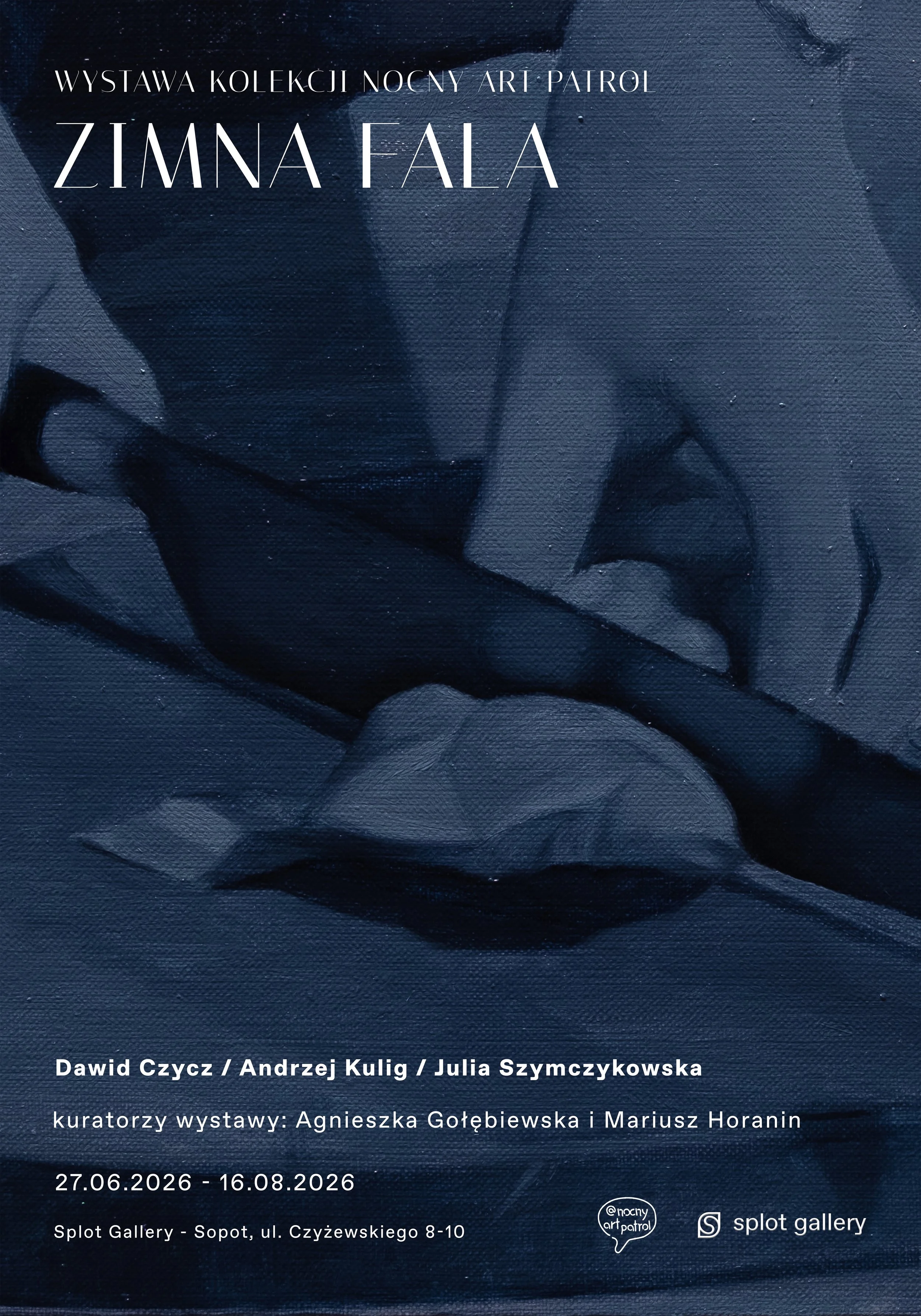
Looking through your holiday photographs, you notice, to your surprise, that they fall into a narrative worthy of a startling, sensational film. Summer, that long-awaited season of carefree freedom, can turn out to be a chronicle of unexpected mishaps. A girl met by chance, with the look of a Baywatch lifeguard, becomes in time nothing more than a nightmarish memory. Sweltering August days at the allotment garden may end with a wait in a hospital corridor. The face of a summer infatuation fades, with the passage of time, into a blue afterimage of a failing memory. Only Kate and Leo, in love, happily survive the ill-fated voyage of the Titanic.
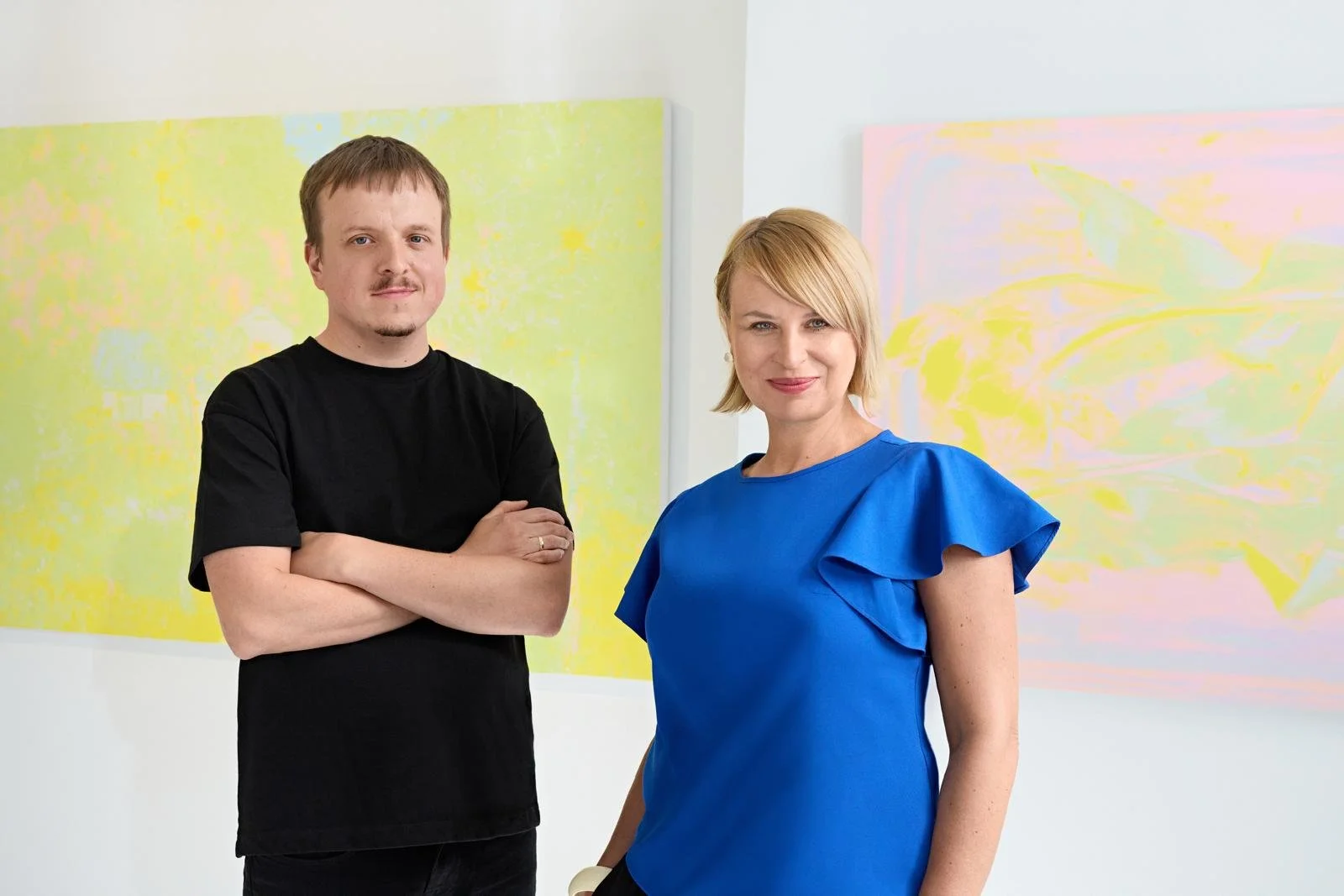
Cold Wave brings together paintings by Dawid Czycz, Andrzej Kulig and Julia Szymczykowska. With their intense charge, these works cut without mercy, like a razor. Eyes wide open see reality as it is, free of illusion. So many mirages of the past were clouded by dark stains, or were never more than our own fantasy. In moments of illumination, clear thoughts must finally come, even if the truth severs everything like a blade. A memory may prove far from ideal, and hard to forget.
Julia Szymczykowska graduated last year from the Academy of Fine Arts in Kraków. Often working from self-portraiture, she tells an un-Instagrammable truth about all of us. Our far-from-ideal corporeality is the terrain the artist explores with tenderness, yet with a sharp and incisive eye.
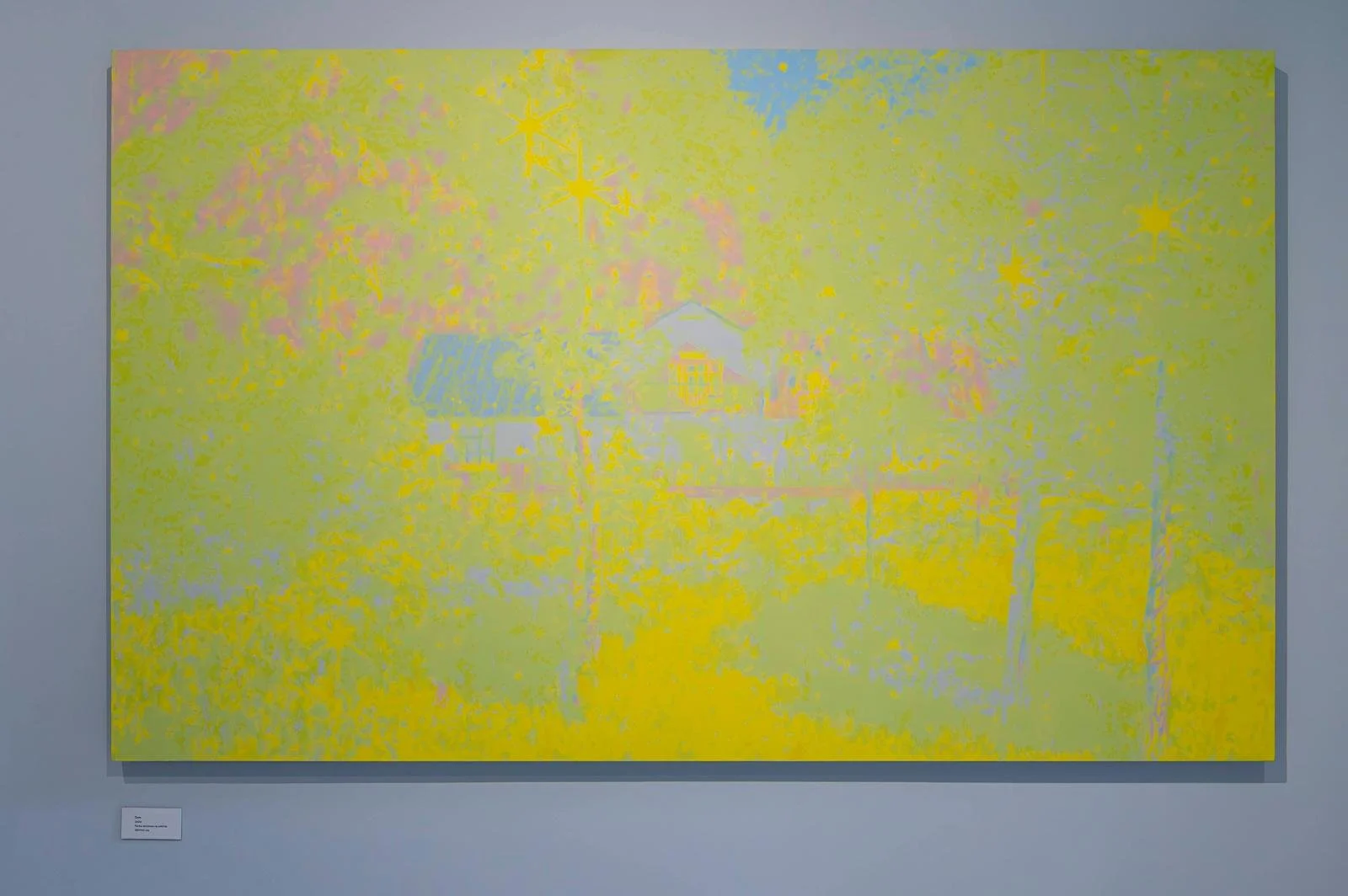
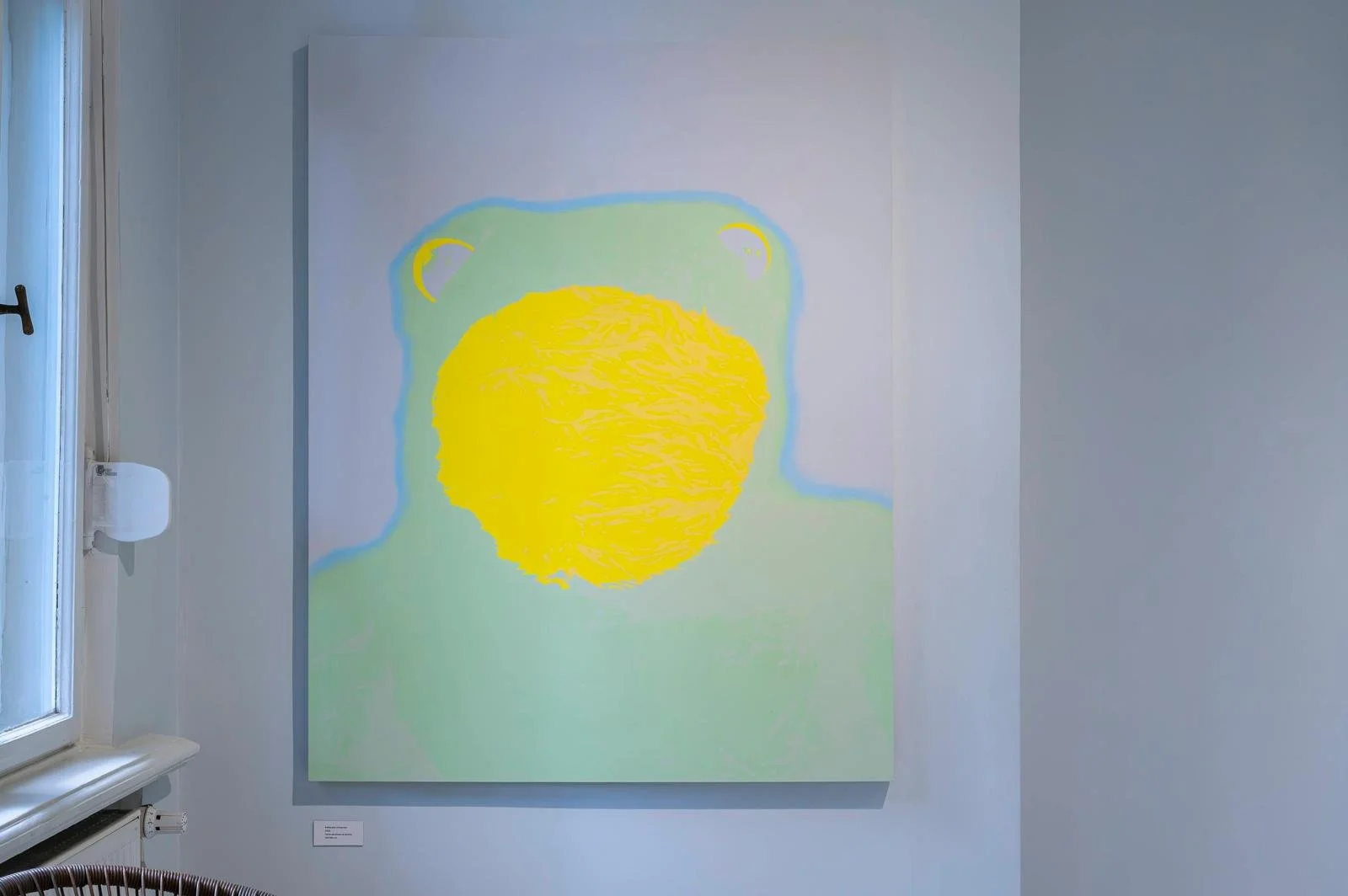
Dawid Czycz creates magical worlds populated by pop-culture heroes, stripping them of their idealised image through black-and-yellow stains. Time, running relentlessly on, veils everything like a filter.
Andrzej Kulig does not so much portray people, or himself, as metaphorically depict figures always held in tension between their real image and an imagined, symbolic one, usually rendered in blue.
The Nocny Art Patrol Collection was founded in 2015 by Agnieszka Gołębiewska and Mariusz Horanin. Its mission is to actively support the most talented painters, and to further develop and promote contemporary painting in Poland.
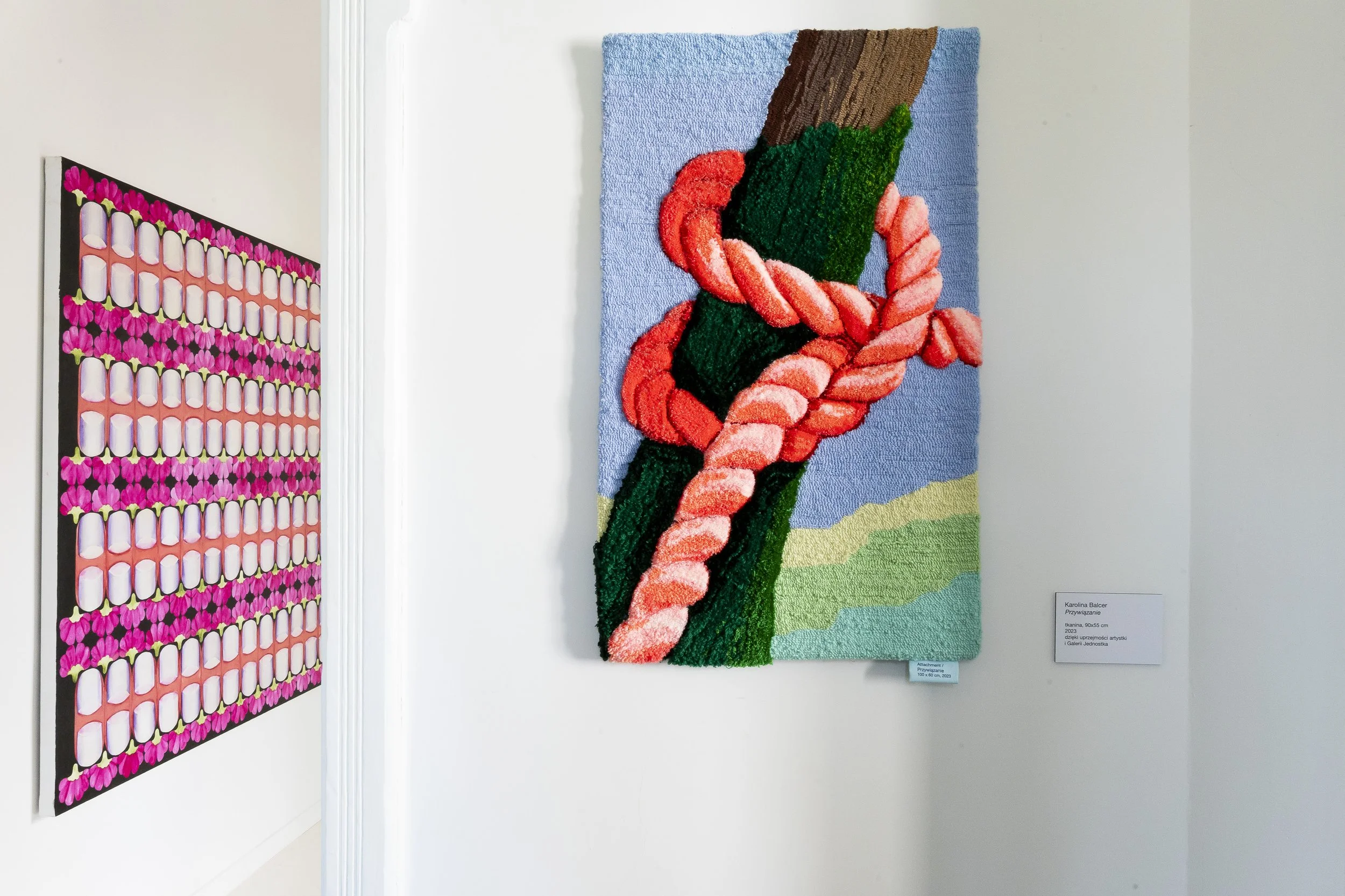
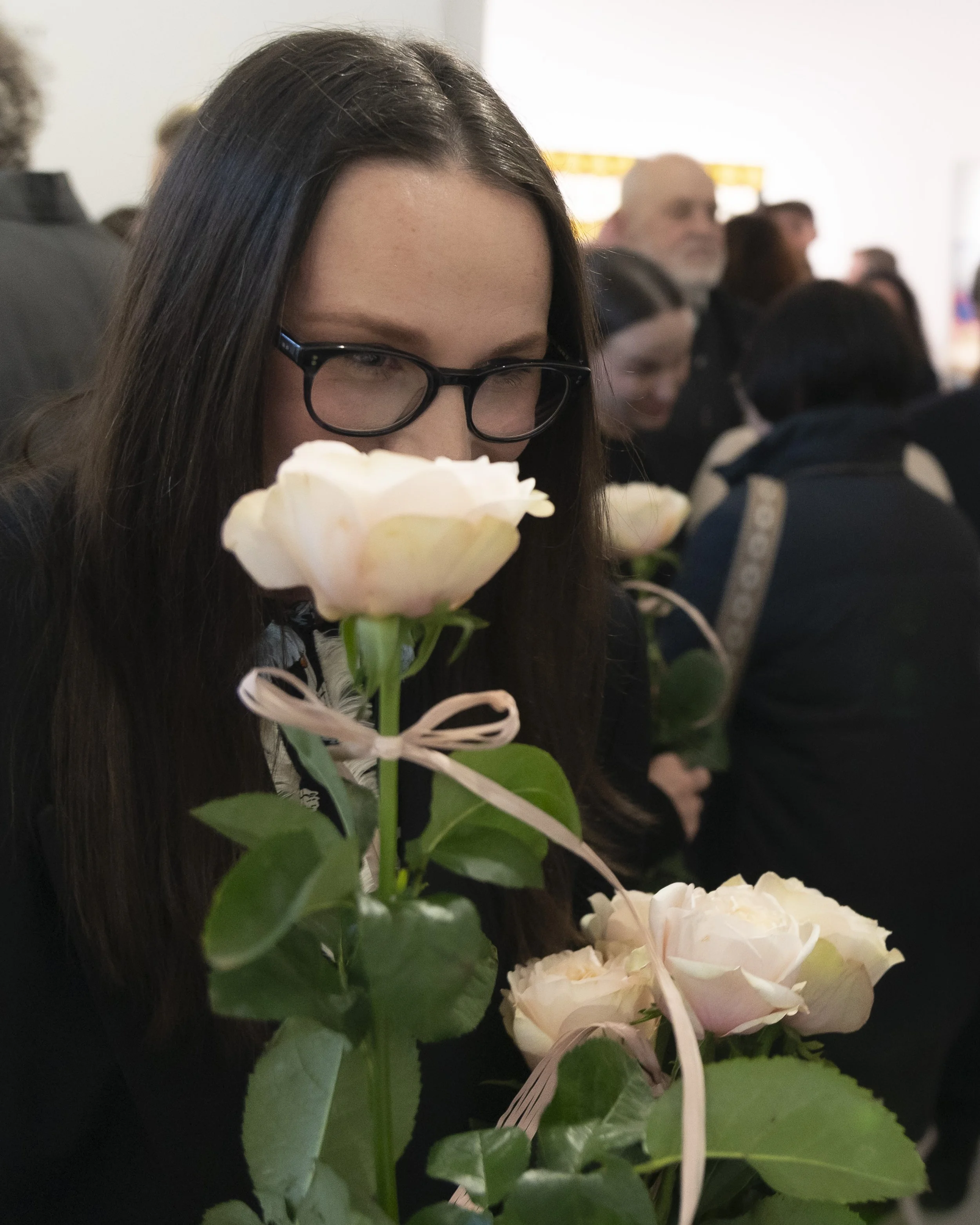
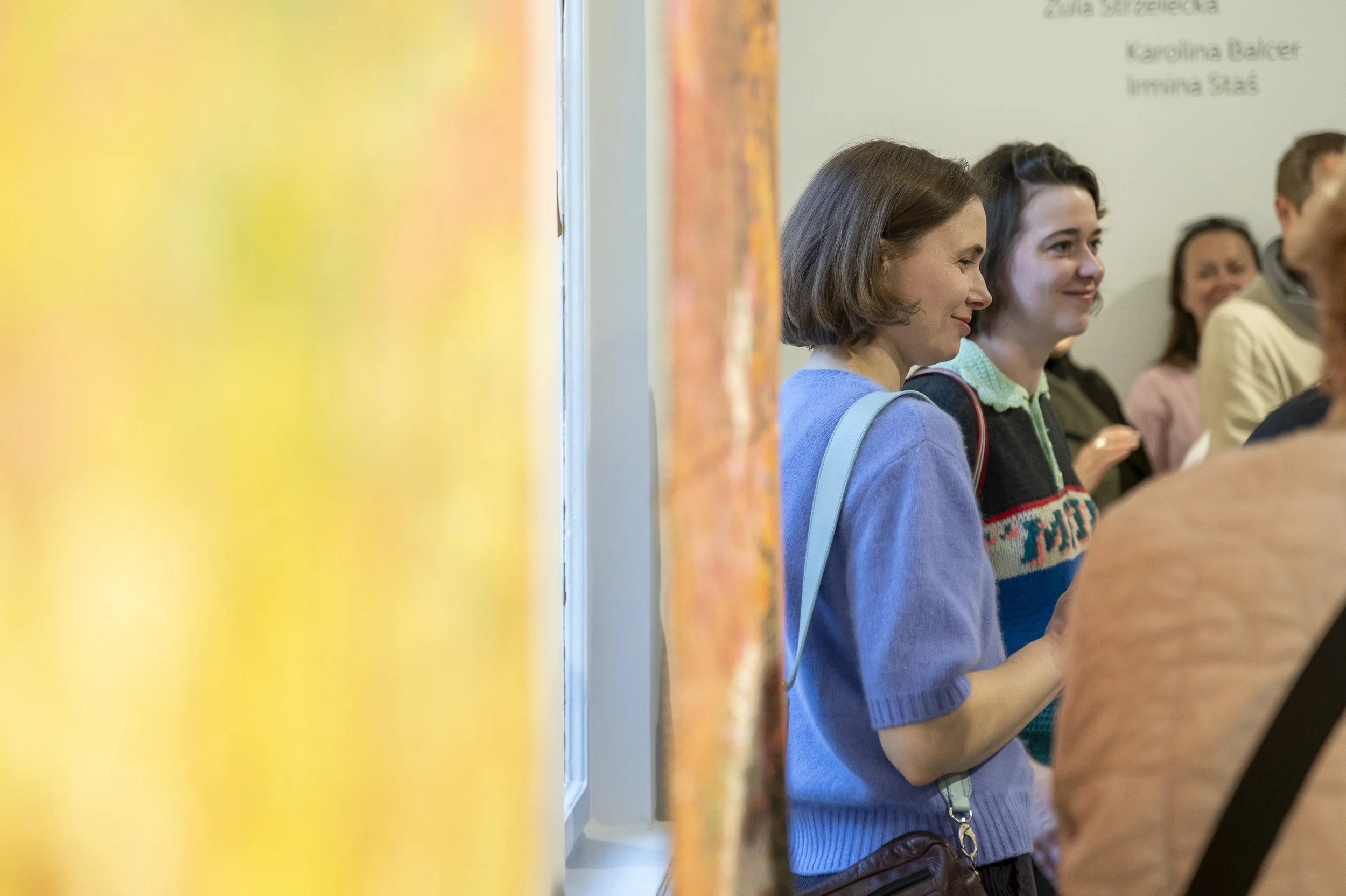
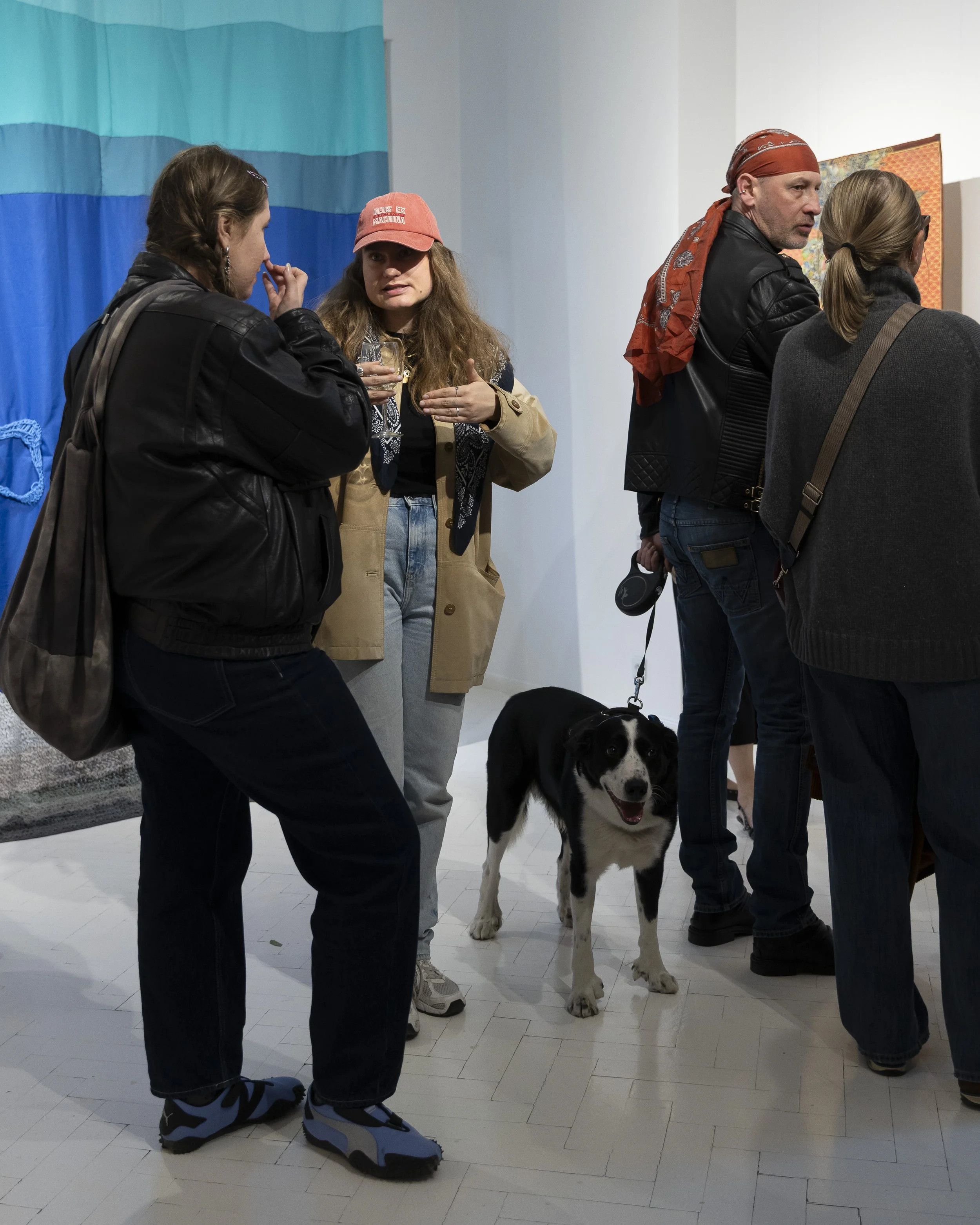
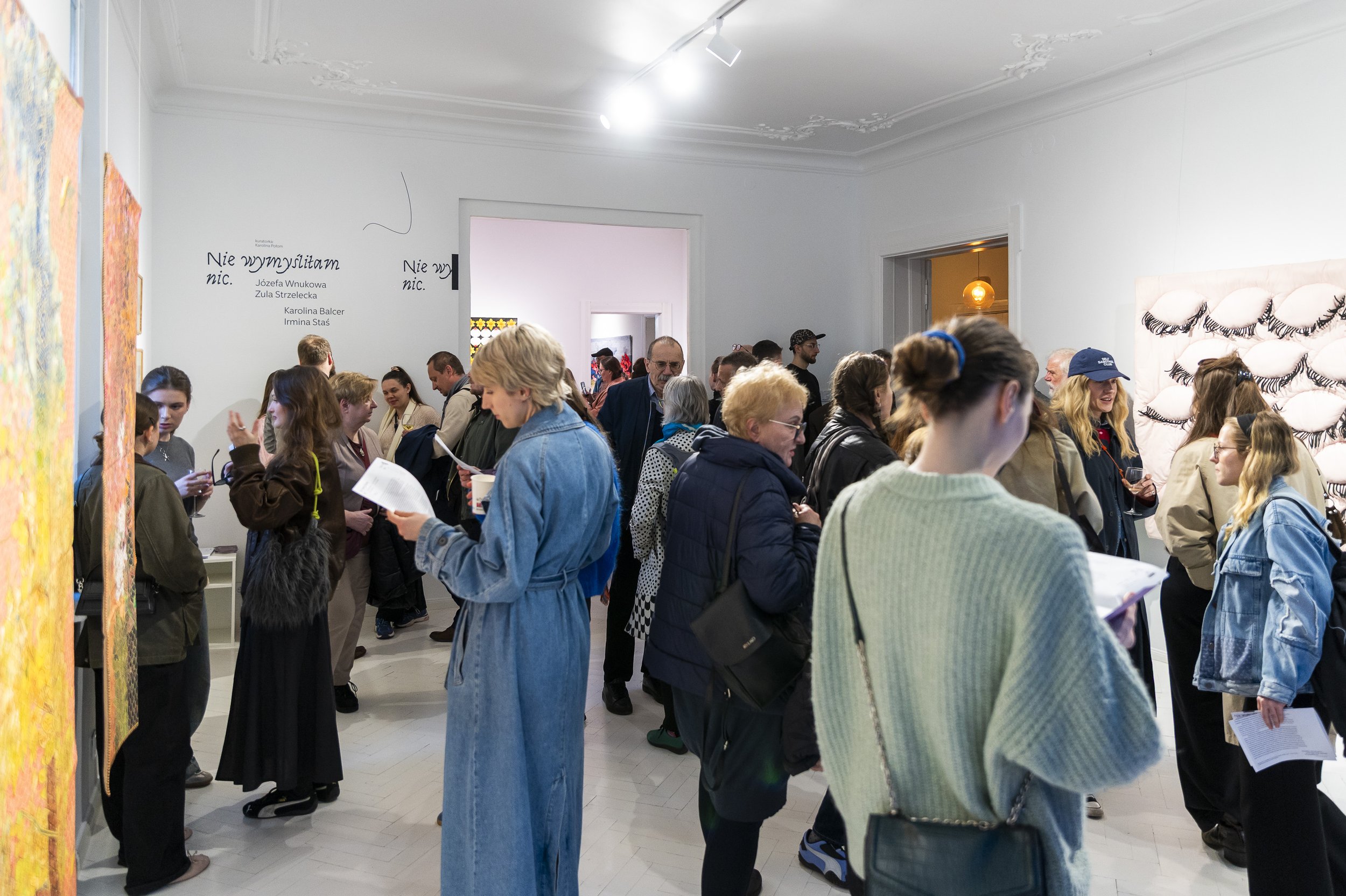
Józefa Wnukowa / Zula Strzelecka / Karolina Balcer / Irmina Staś
„I Invented Nothing.”
Curator: Karolina Połom
24.04.2026 — 14.06.2026
Exhibition opening: 24.04.2026 / 19:00
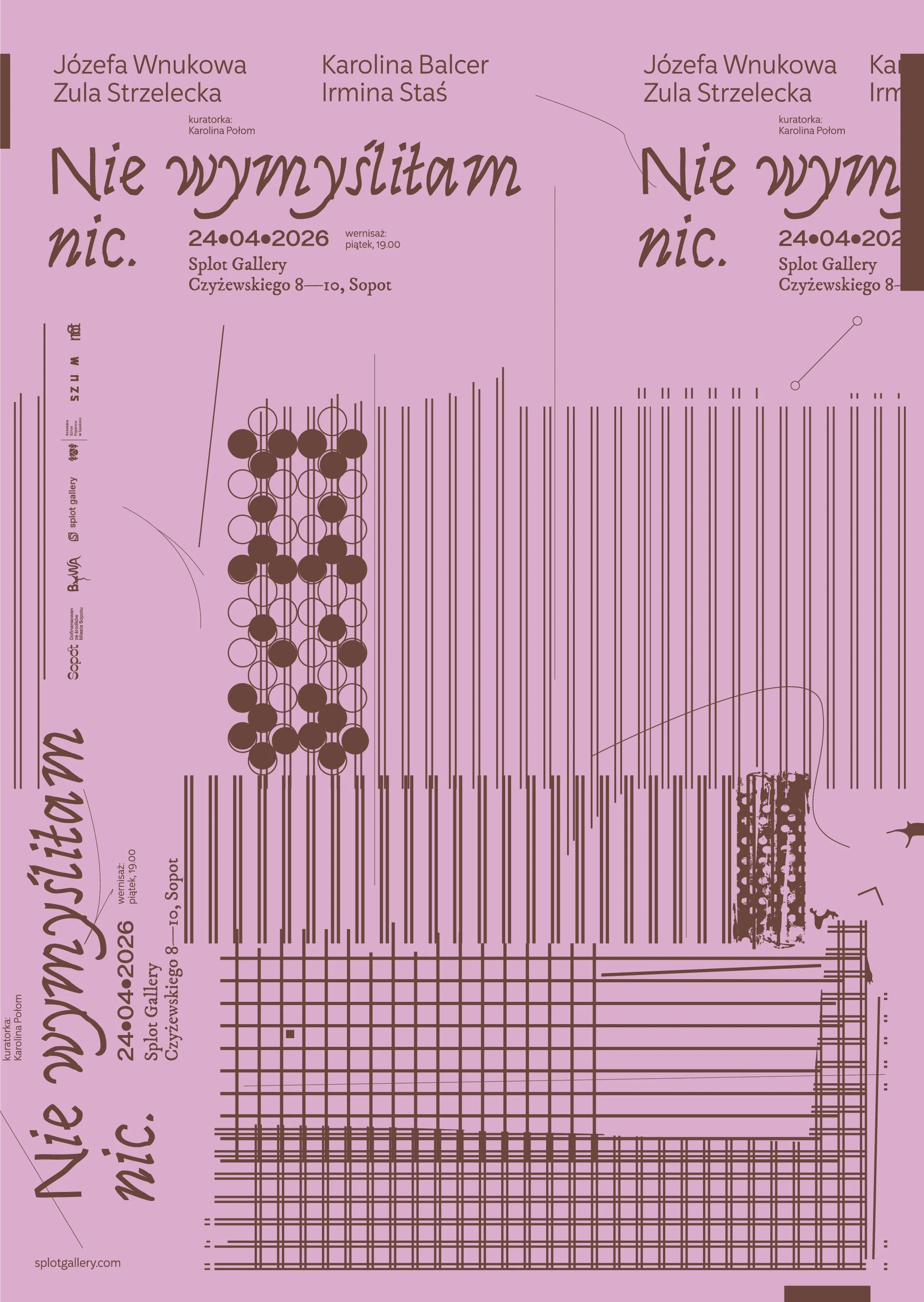
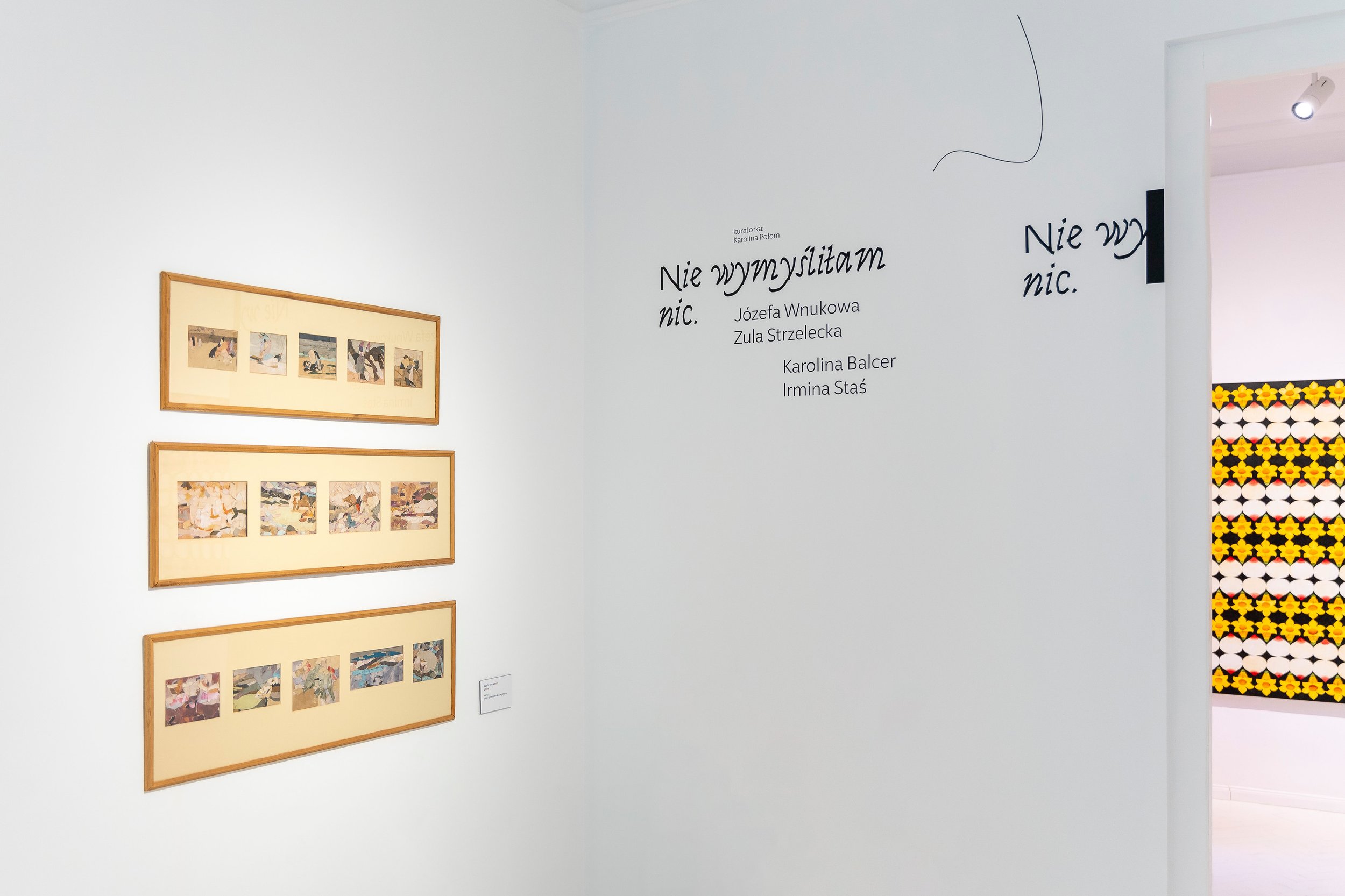
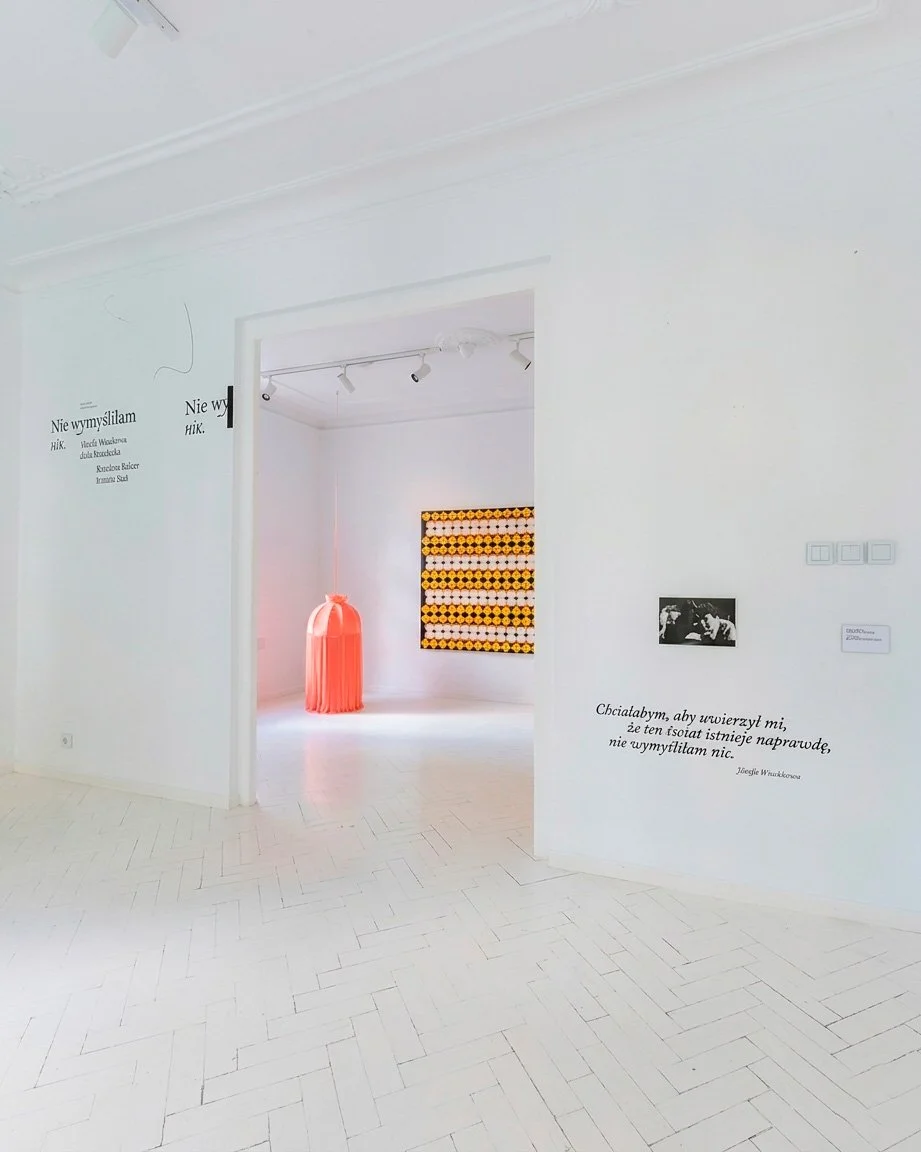
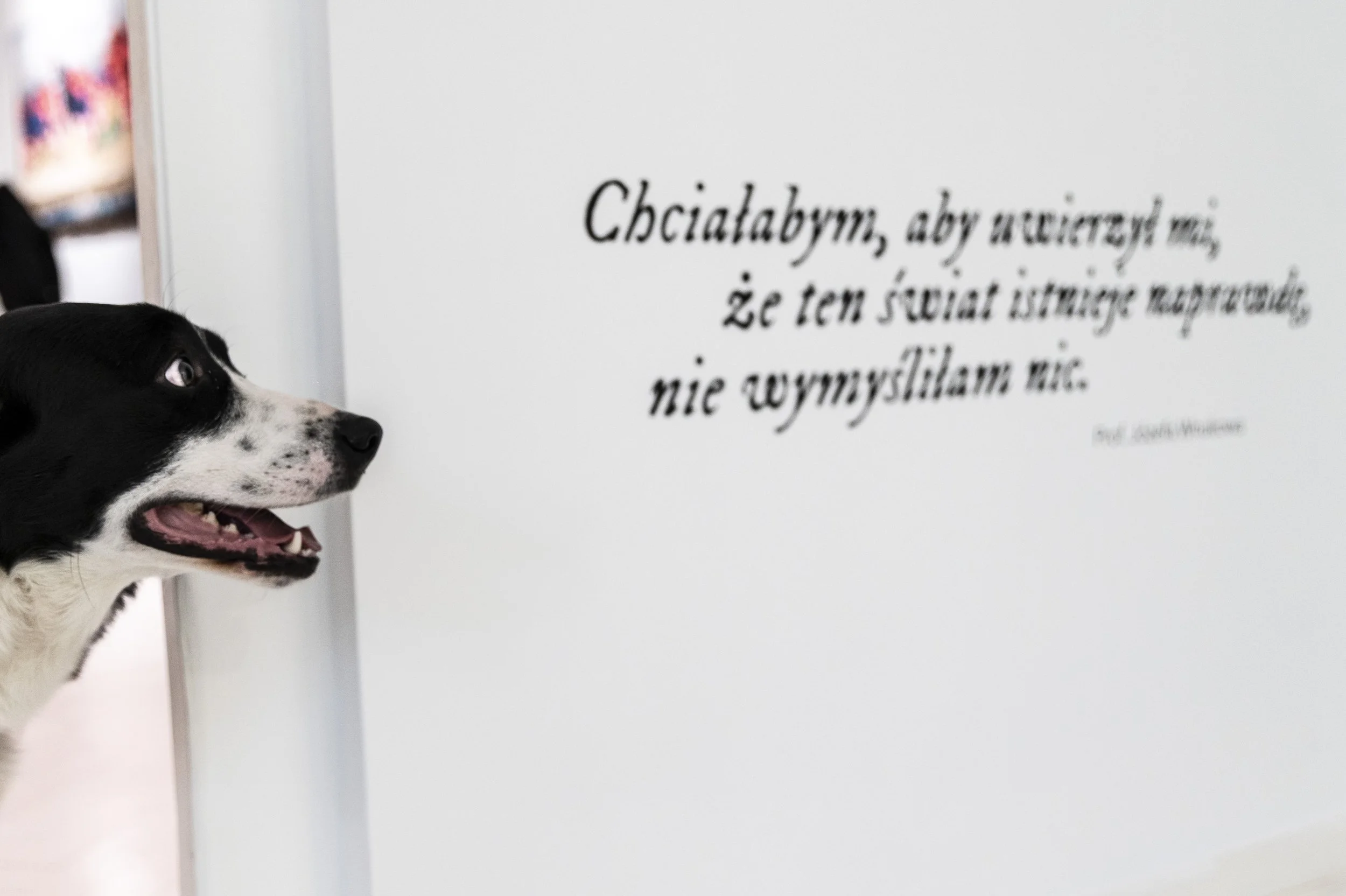
„I would like him to believe that this world truly exists, I invented nothing.”
— Józefa Wnukowa
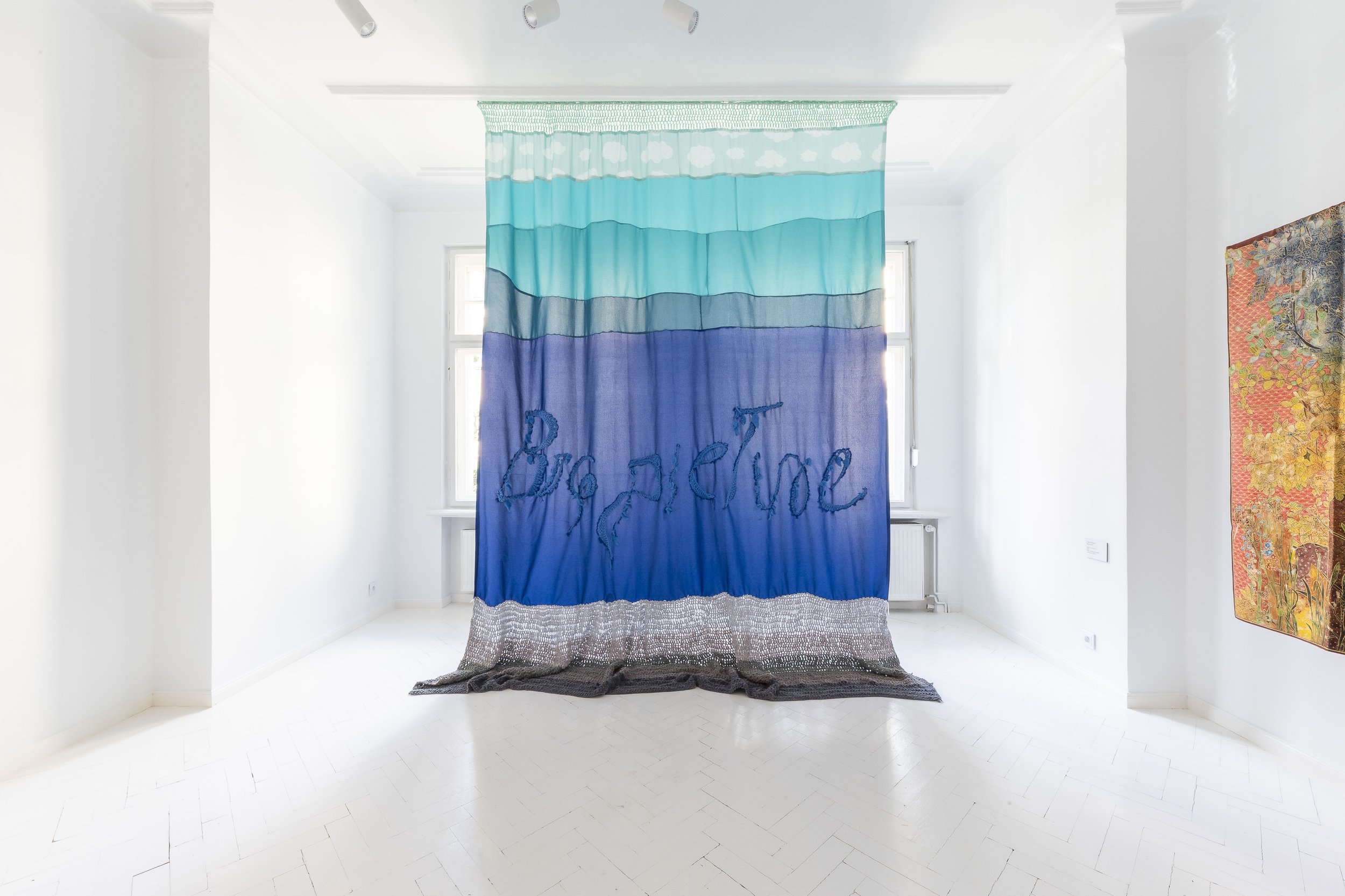
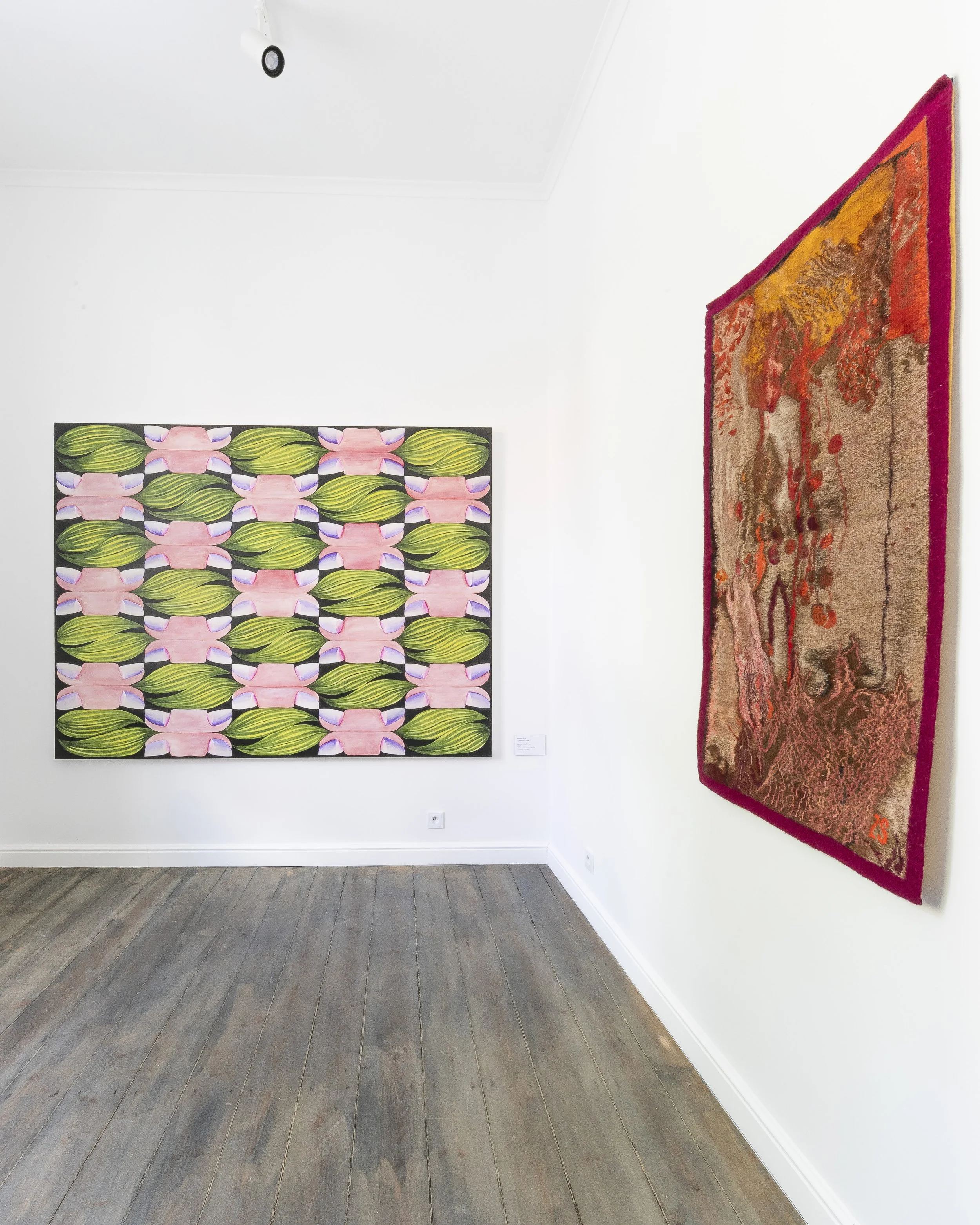
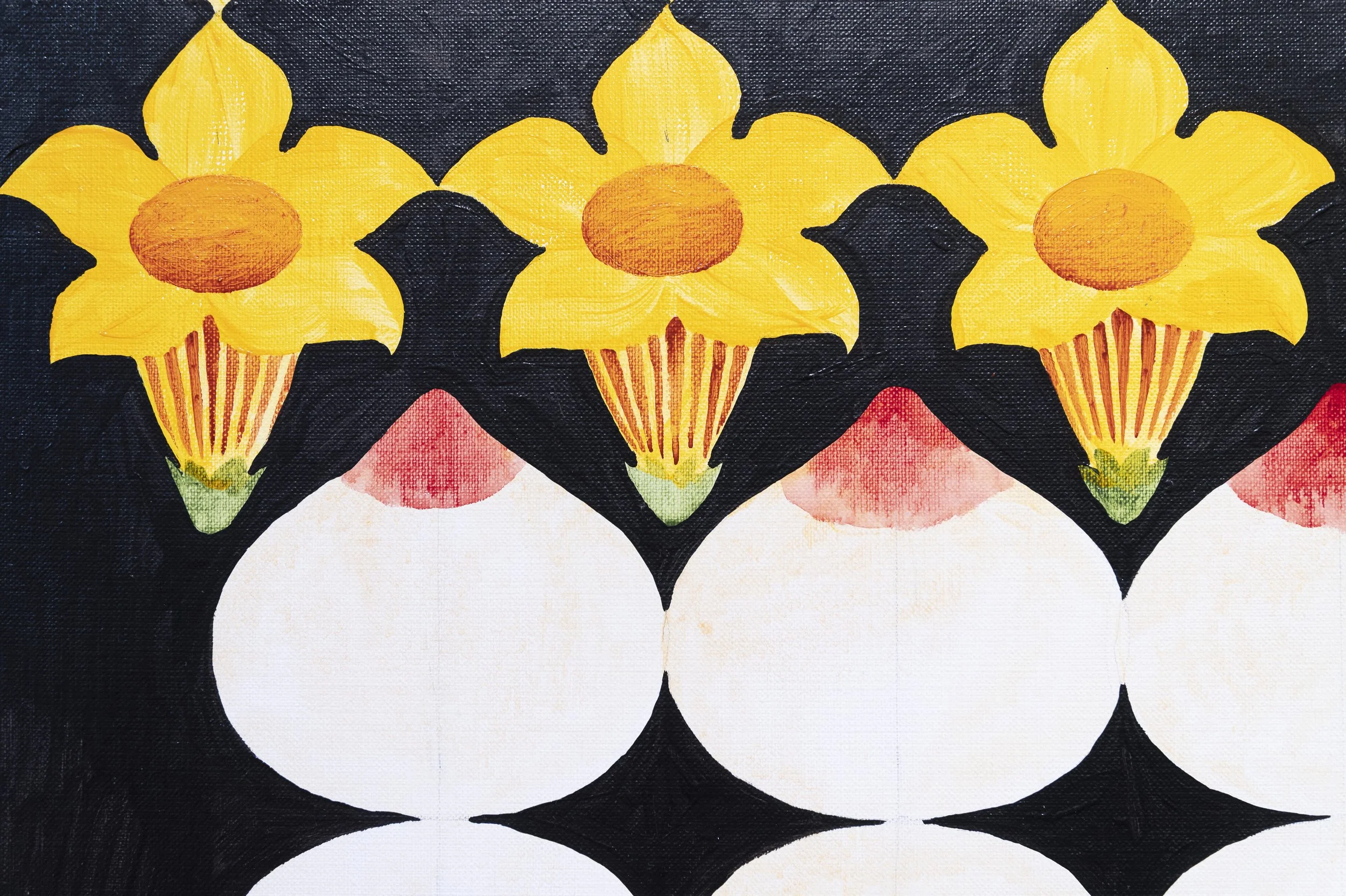
According to Professor Józefa Wnukowa, the term “Sopot School” did not refer solely to the name of the institution established in 1945 in Sopot or to an artistic movement; for her, it described an artistic attitude. A shared characteristic that distinguished the members of the group was a personal and emotional relationship with reality. In 1950, Zula Strzelecka graduated from the State Higher School of Fine Arts in Sopot, specializing in textiles and painting. Throughout her life, Strzelecka named Prof. Wnukowa among the most important influences on her work.
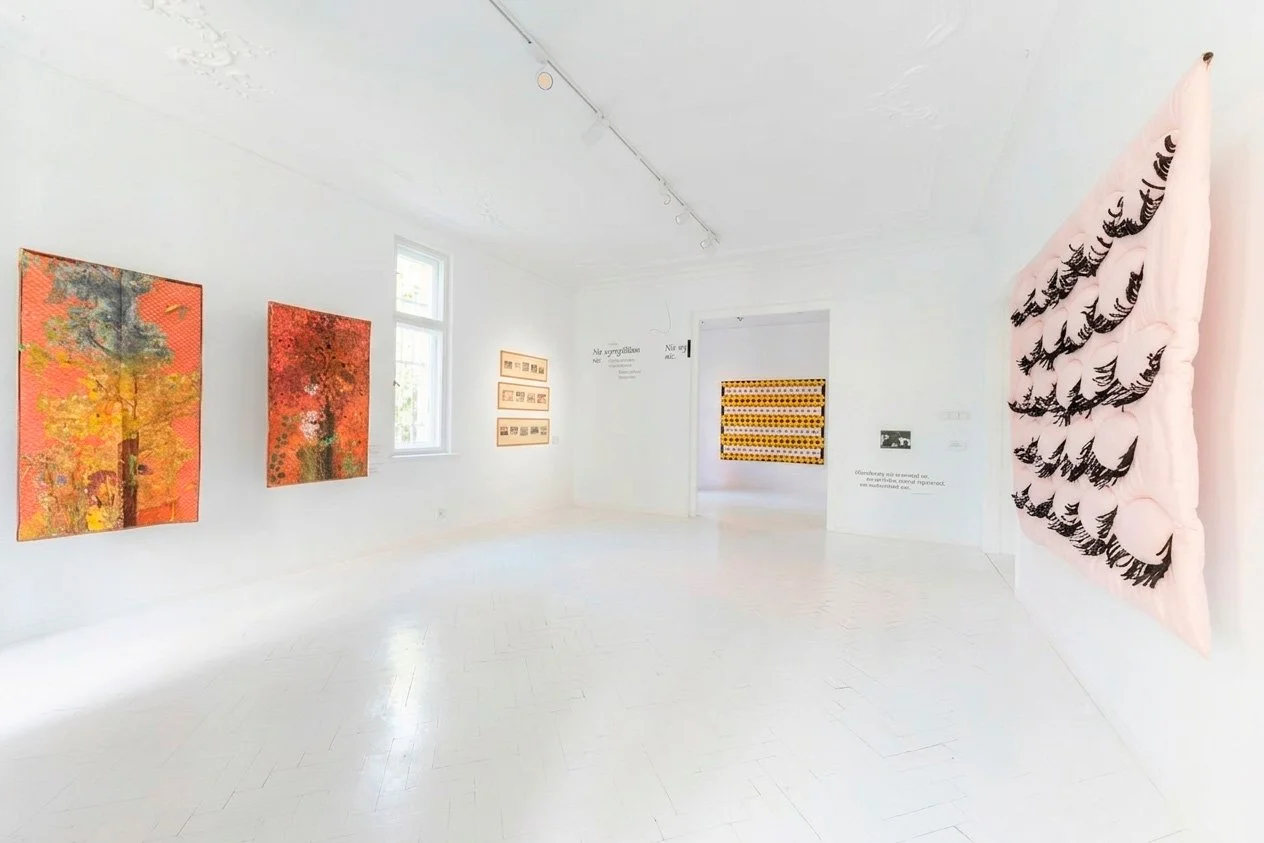
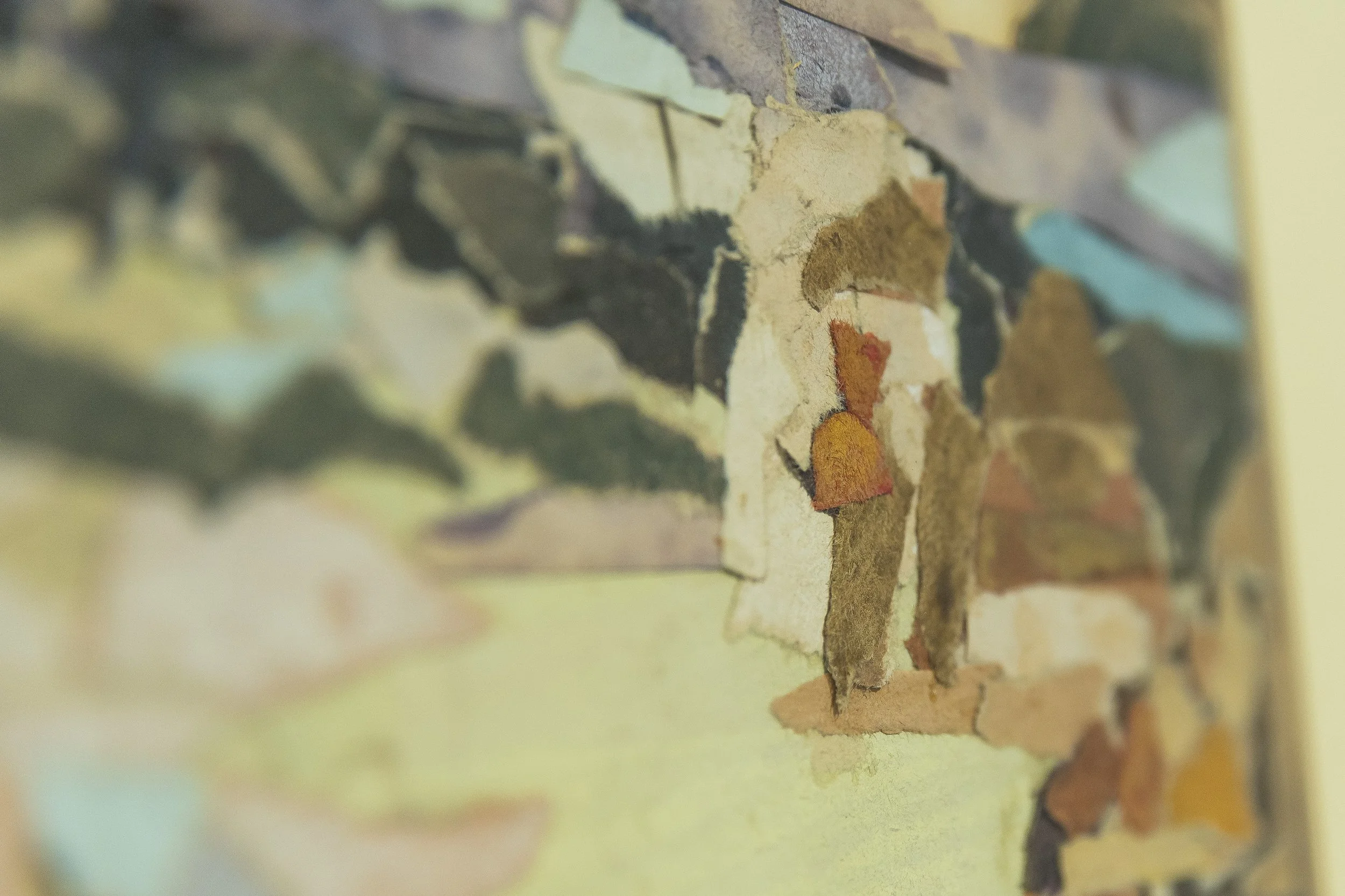
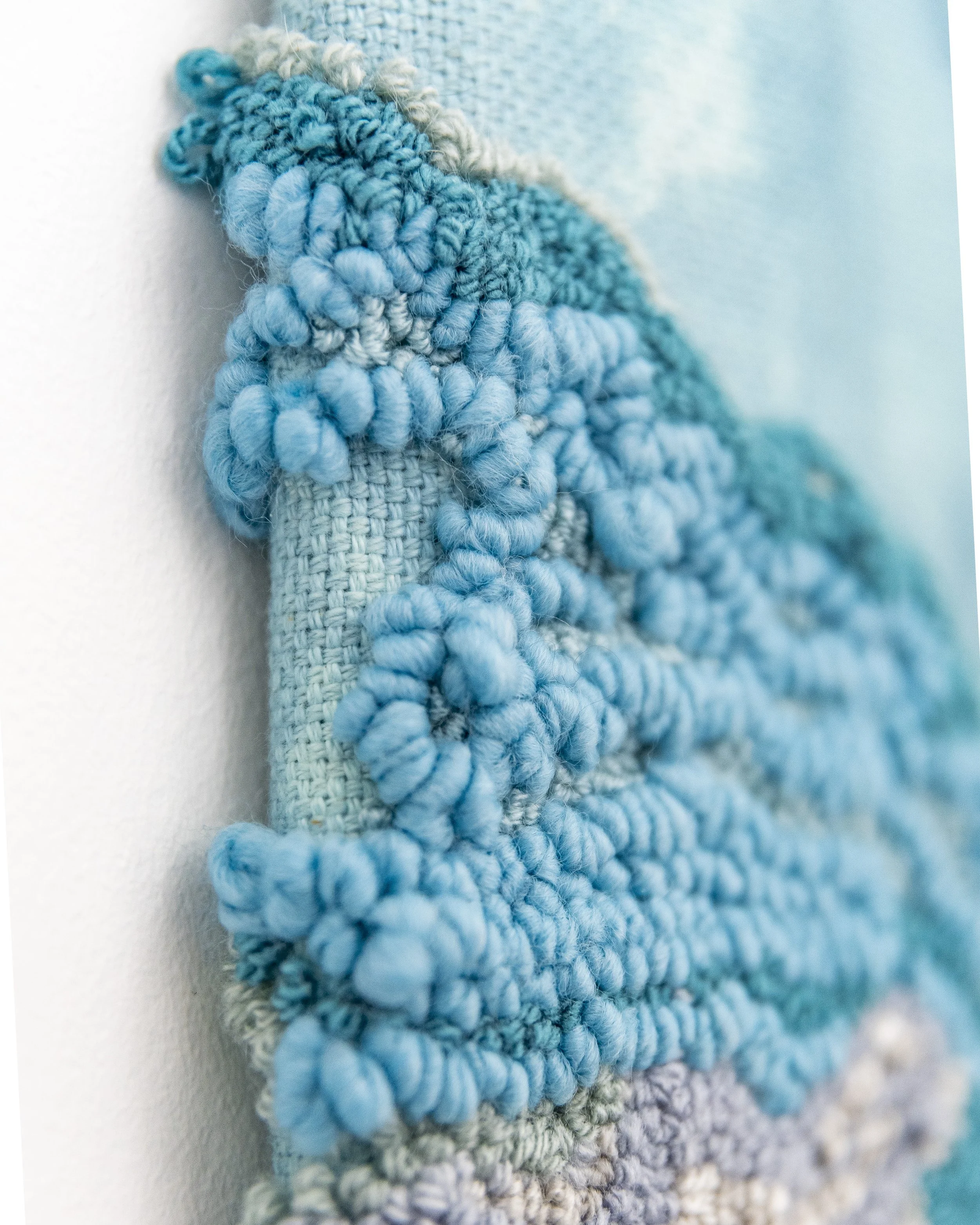
Both artists created artistic textiles, tapestries, paintings, and in the case of Zula Strzelecka — Słuck sashes. In their practices, they referred to the tradition of ornament and regional heritage. They participated in the reconstruction of Gdańsk, working on frescoes, mosaics, and decorative façades of tenement houses. They worked with craft, and their art was embedded in a socio-cultural context. For Wnukowa and Strzelecka, textiles often had a decorative and functional dimension; they used ornament and cultivated traditional craftsmanship. However, within their artistic legacy, one can also notice emerging personal motifs, with nature and animals repeatedly becoming important elements of their work.
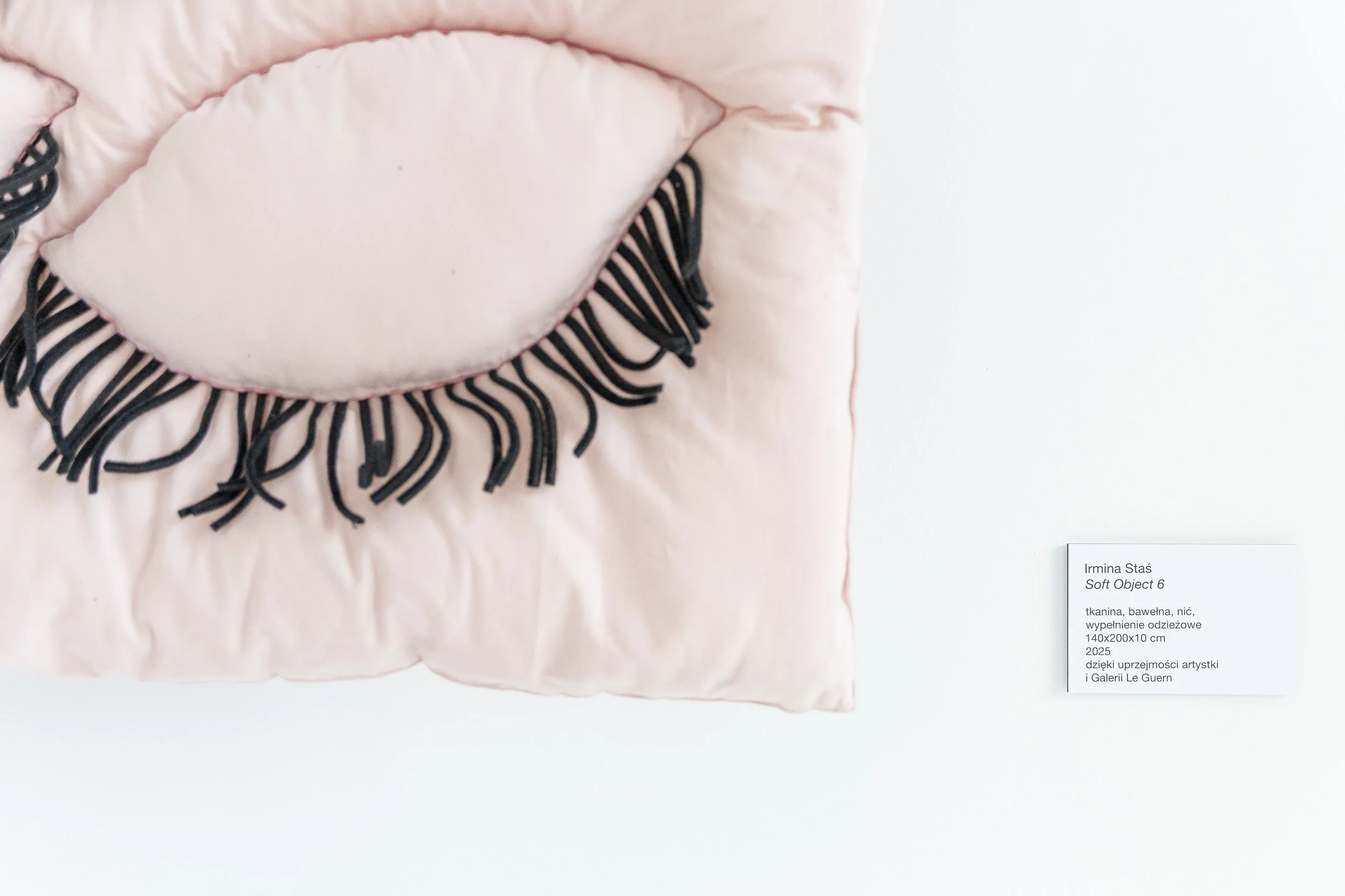
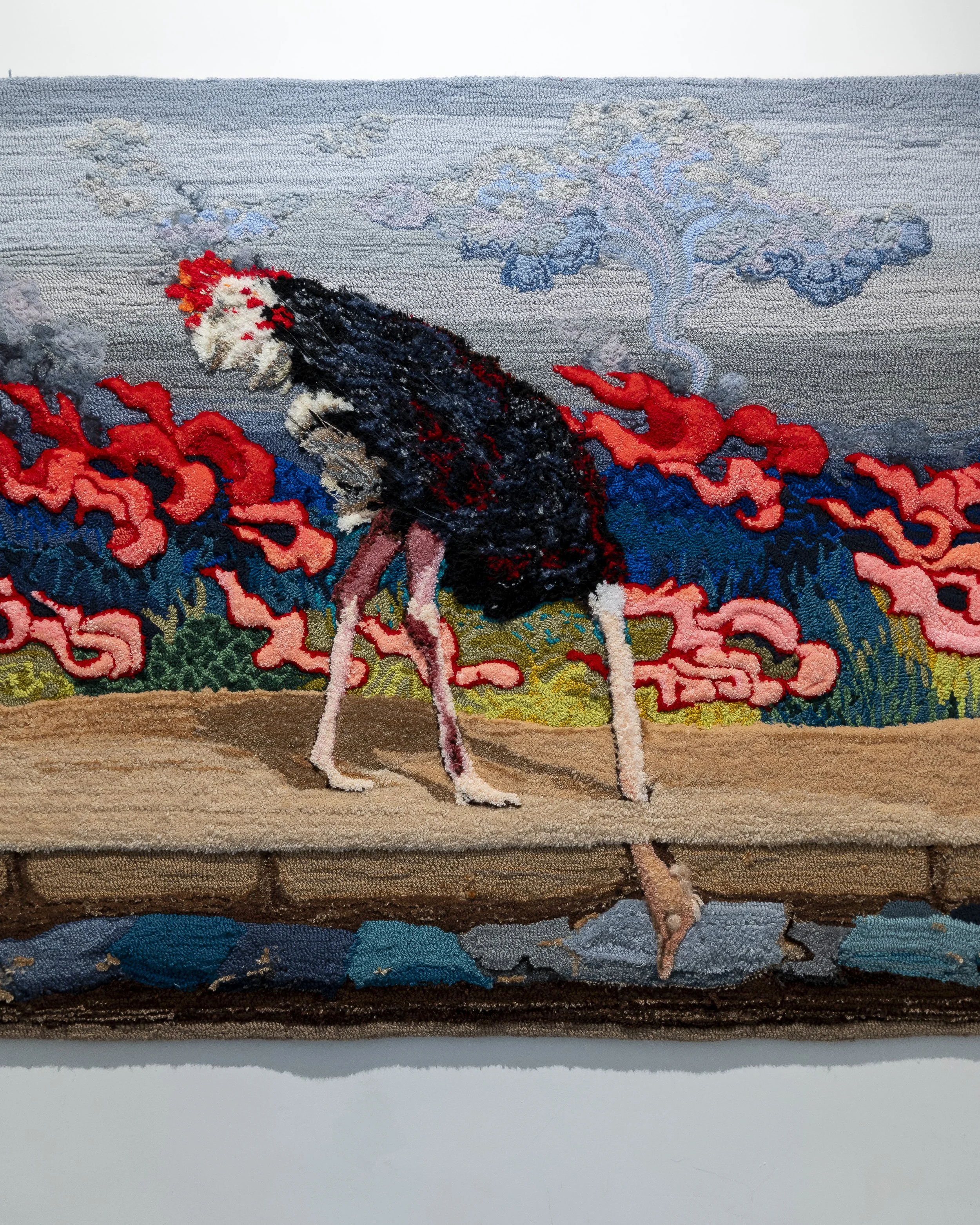
Karolina Balcer and Irmina Staś also use traditional textiles in their practices, employing them to reinterpret contemporary motifs. In their work, textiles appear as part of installations; Balcer and Staś adapt and transform this traditional medium, addressing difficult themes. They refer to family relations, interpersonal and interspecies relationships, identity and blood ties, the space between life and death, and the commercialization of art.
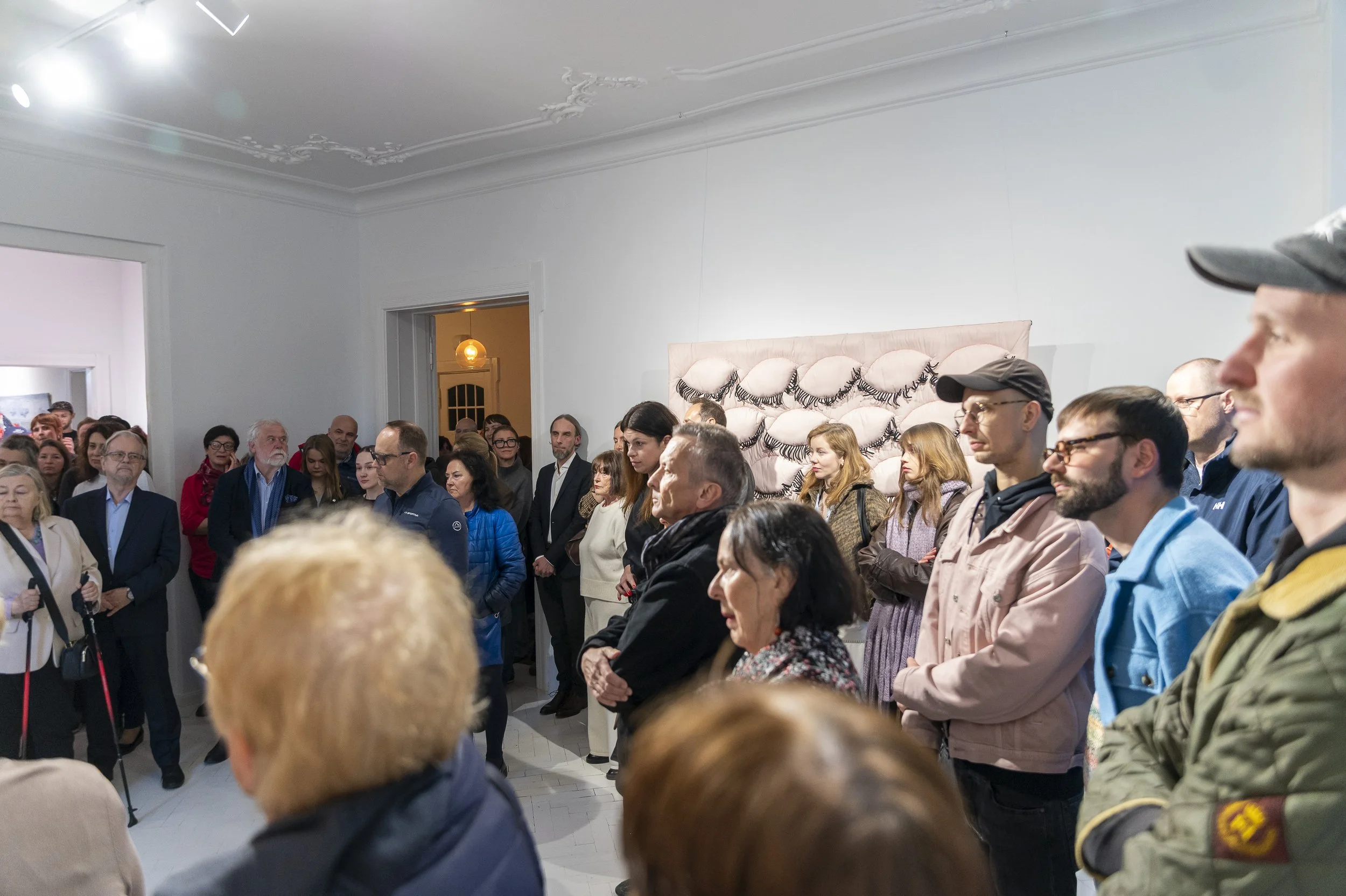
The exhibition examines social, historical, and cultural influences. Starting from the legacy of the Sopot School and Józefa Wnukowa, it shows the significance of textile in the contemporary world. Zula Strzelecka becomes here a bridge between an earlier discipline and contemporary freedom of working with material. Different generations intertwine — partly by chance, partly through a shared sensitivity to matter and perception. The exhibition does not construct a rigid genealogy; instead, it observes how the medium of textile is able to survive shifts in artistic language. “I Invented Nothing.” marks the moment in which textile ceases to be “craft” and becomes a work of art. In the background, the spirit of Sopot remains present: a pioneering school that left a surprisingly wide trace in thinking about material and form. The confrontation with contemporary artists Irmina Staś and Karolina Balcer, who use textiles in conceptual art as a critical medium, becomes an important context of the exhibition.
The exhibition „I Invented Nothing.” is part of the project Miękki zapis — historie tkanin co-financed by the City of Sopot.
The exhibition will present paintings and textile works.
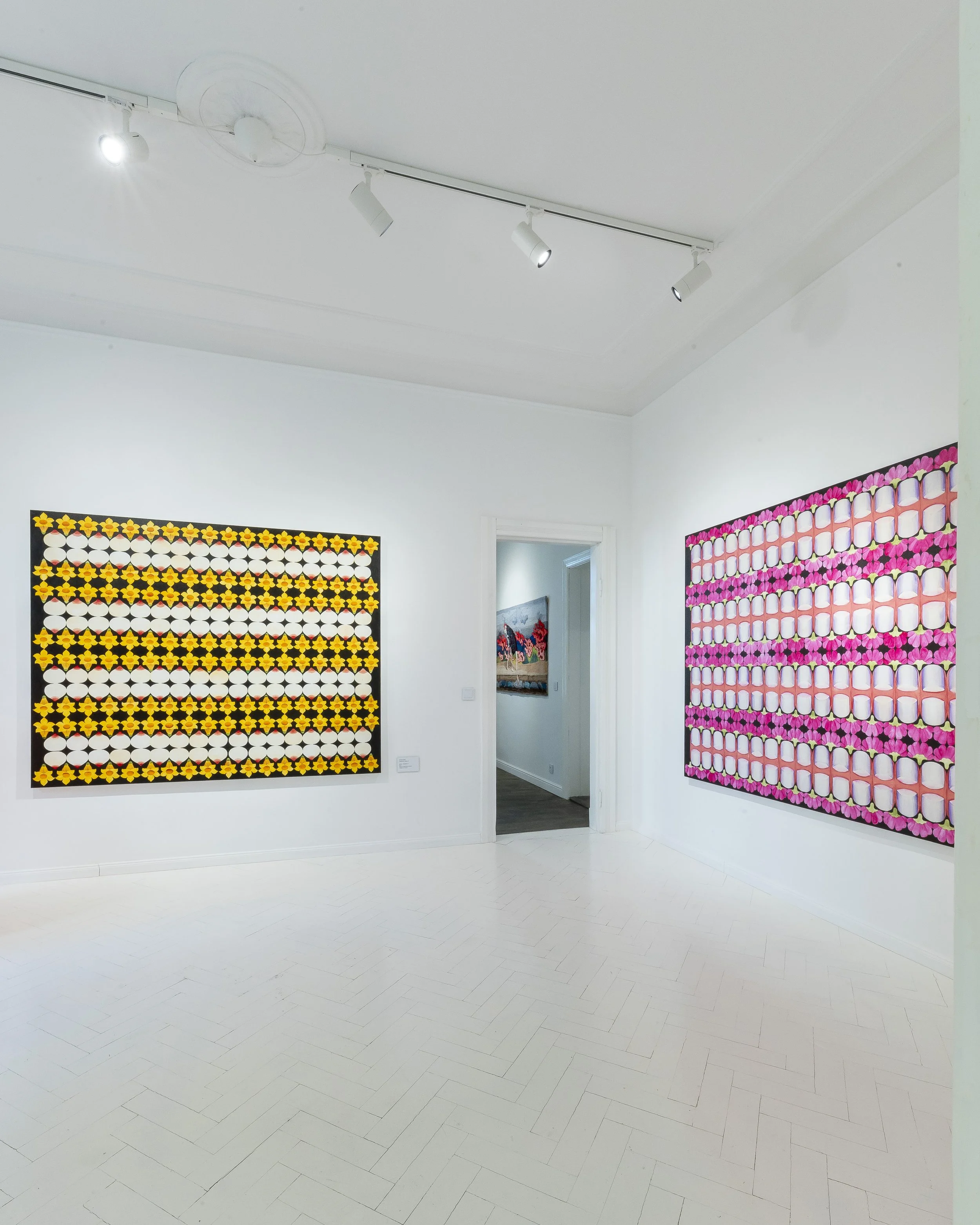
Anna Bem-Borucka / Krzysztof Gliszczyński / Edyta Kowalewska / Michał Wirtel
”DIALOGUES”
14.11.2025 — 04.01.2026
Exhibition opening: 14.11.2025
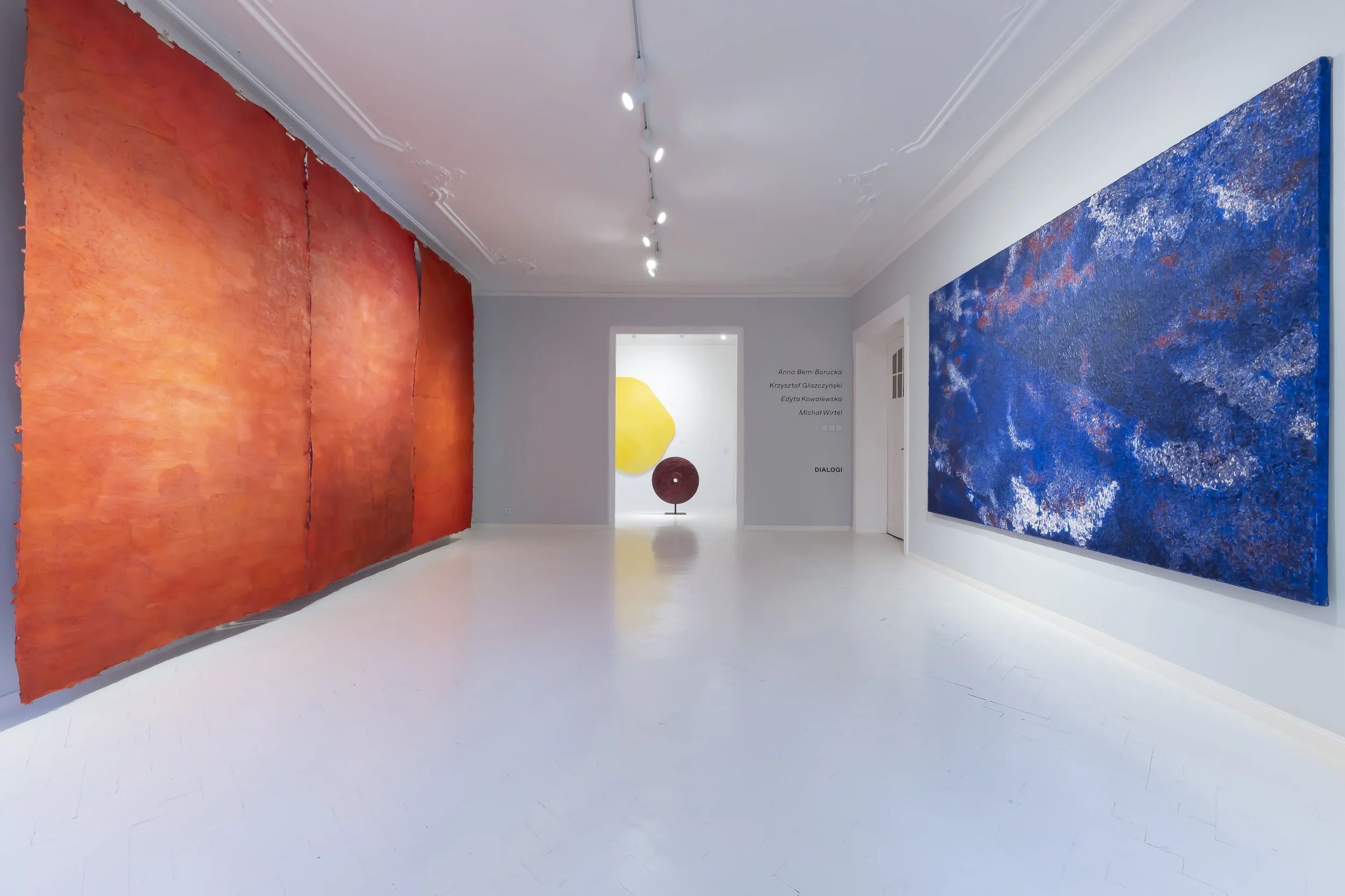
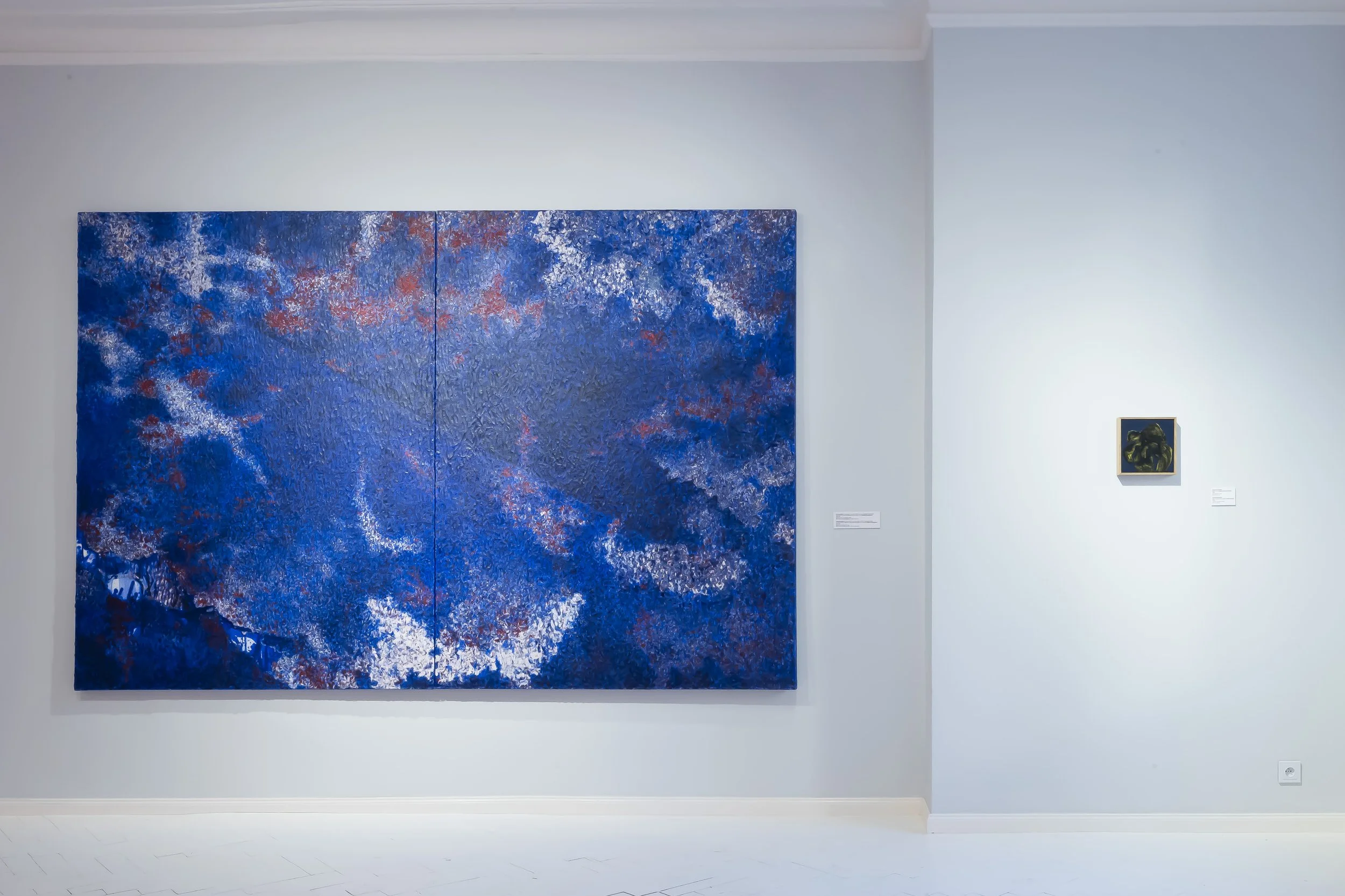
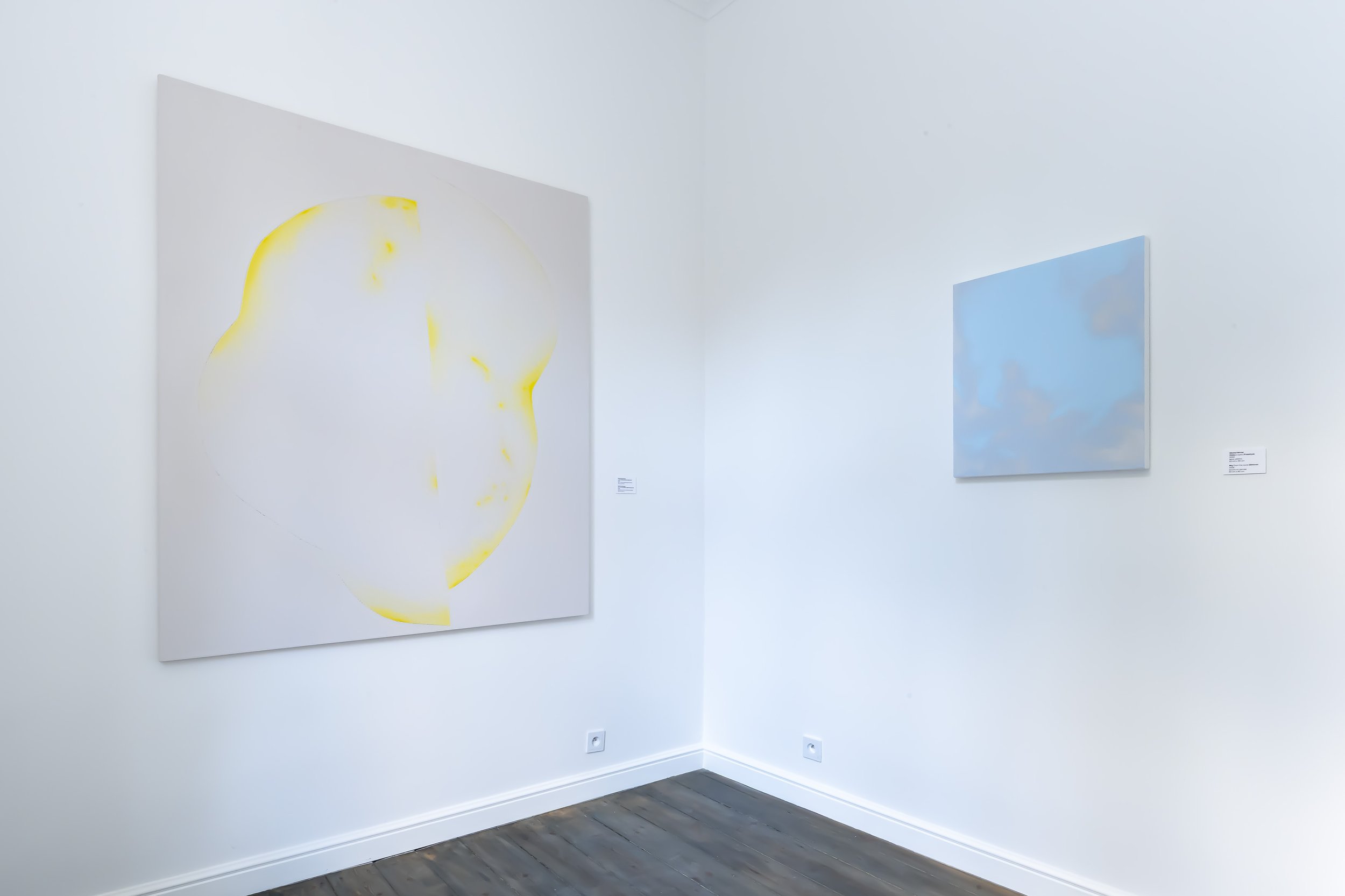
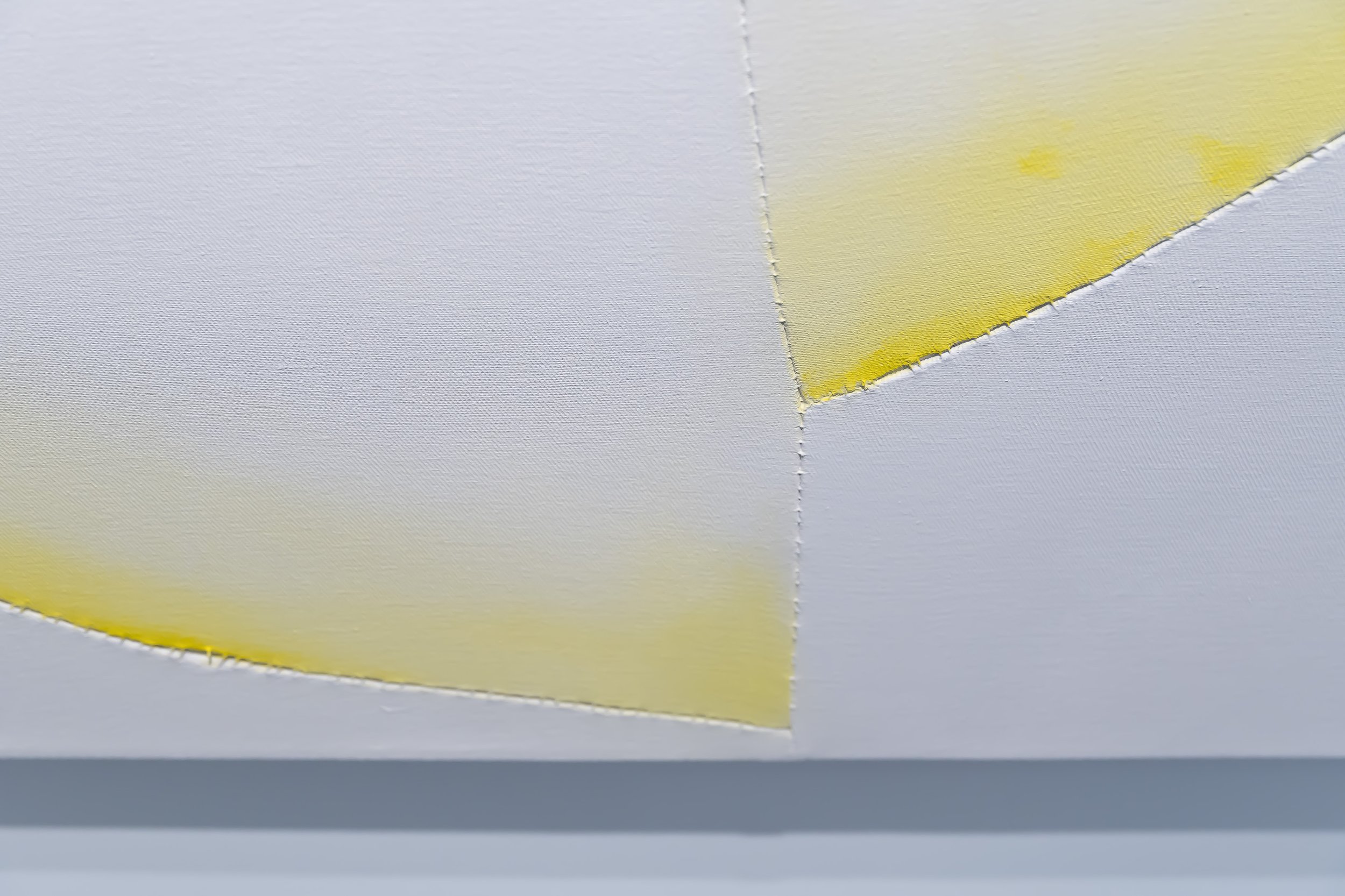
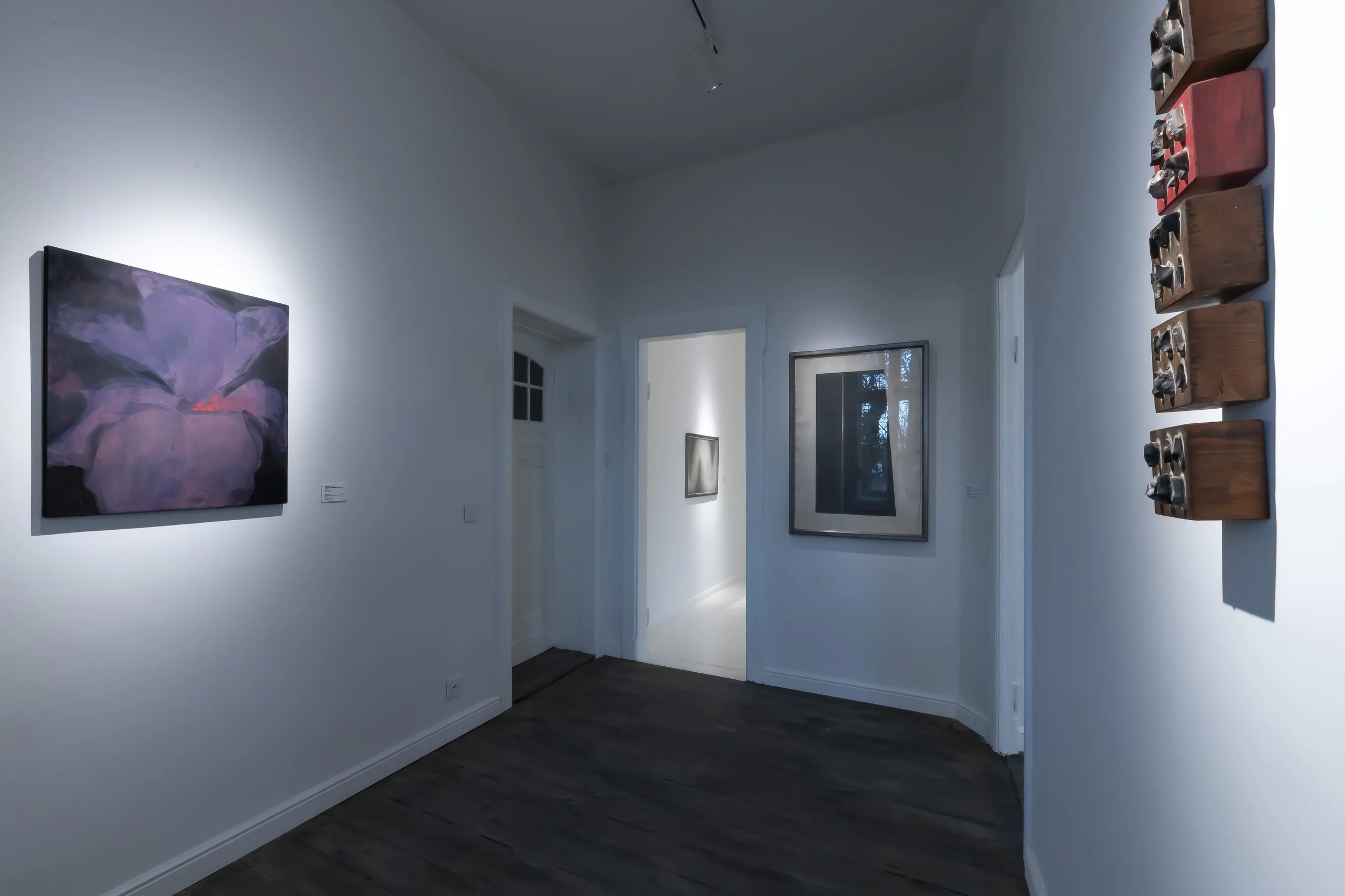
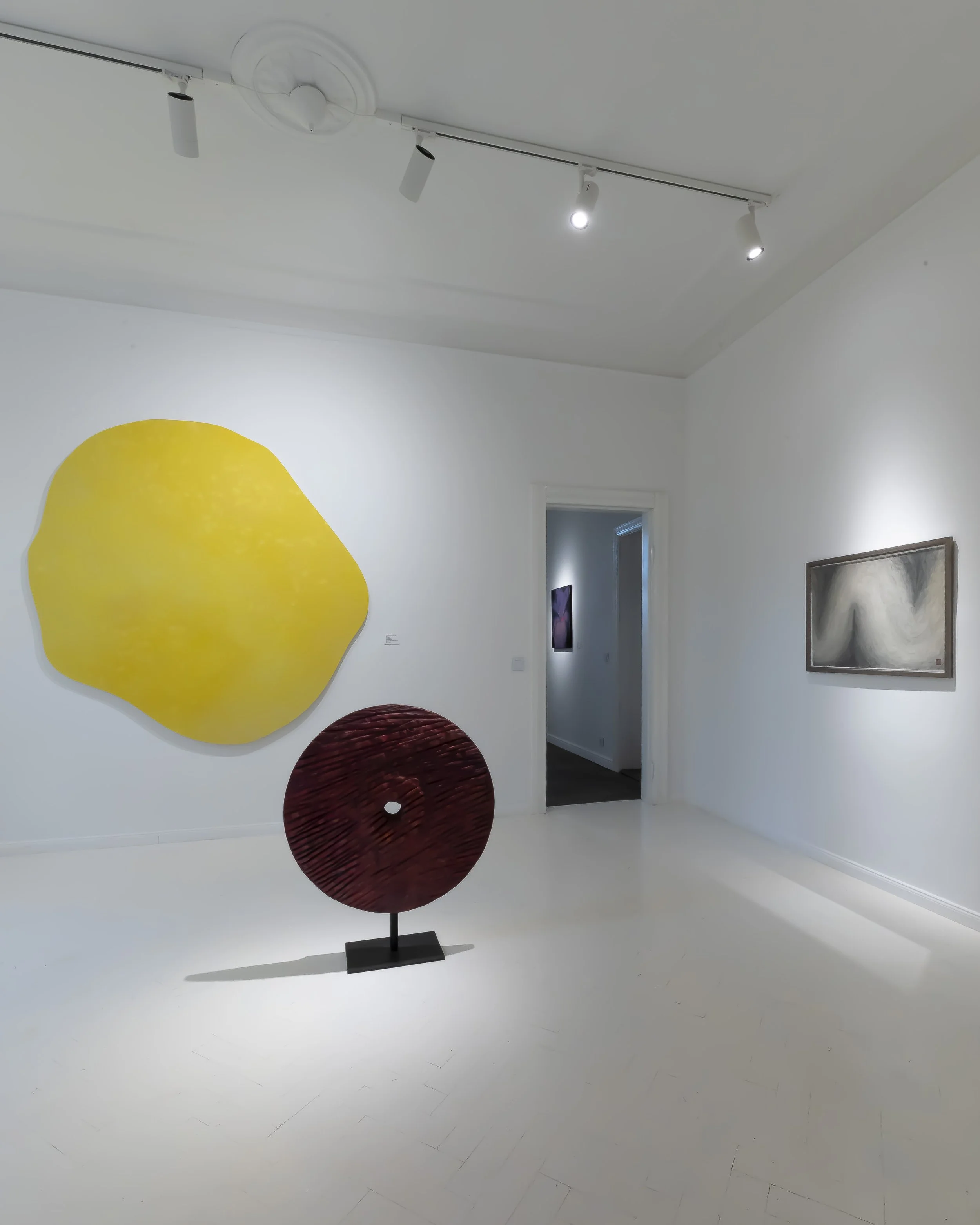
Splot Gallery is pleased to present works by Anna Bem-Borucka, Krzysztof Gliszczyński, Edyta Kowalewska, and Michał Wirtel. The works presented in the exhibition DIALOGUES are united by a simplified form — either entirely abstract (Bem-Borucka, Gliszczyński) or balancing on the boundary between abstraction and figuration (Kowalewska, Wirtel). Even if we recognize a specific object depicted in a painting, it is difficult to resist the impression that something entirely different is, in fact, the true subject of the given representation. Although the artists come from different generations, what they share is a striving to bring forth the most primal, archetypal states — fragments of our shared, intergenerational experience.
These experiences, elusive to verbal description yet recognizable through the form given by the artists, touch upon existential questions: transience, fulfillment, or spiritual presence. The works, arranged in individual rooms of the gallery, enter into formal and thematic dialogues with one another. They also invite the viewer to contemplate the space between figuration and abstraction, between geometry and the organic nature of form, or between emptiness and meaning.
Diana Lelonek
”Solarstalgia”
Curator: Agnieszka Rayzacher
06.09.2025 — 22.09.2025
Exhibition opening: 06.09 / 20:00
the exhibition is part of the Frames of Sopot Photography Festival held under the patronage of the City of Sopot and State Art Gallery in Sopot

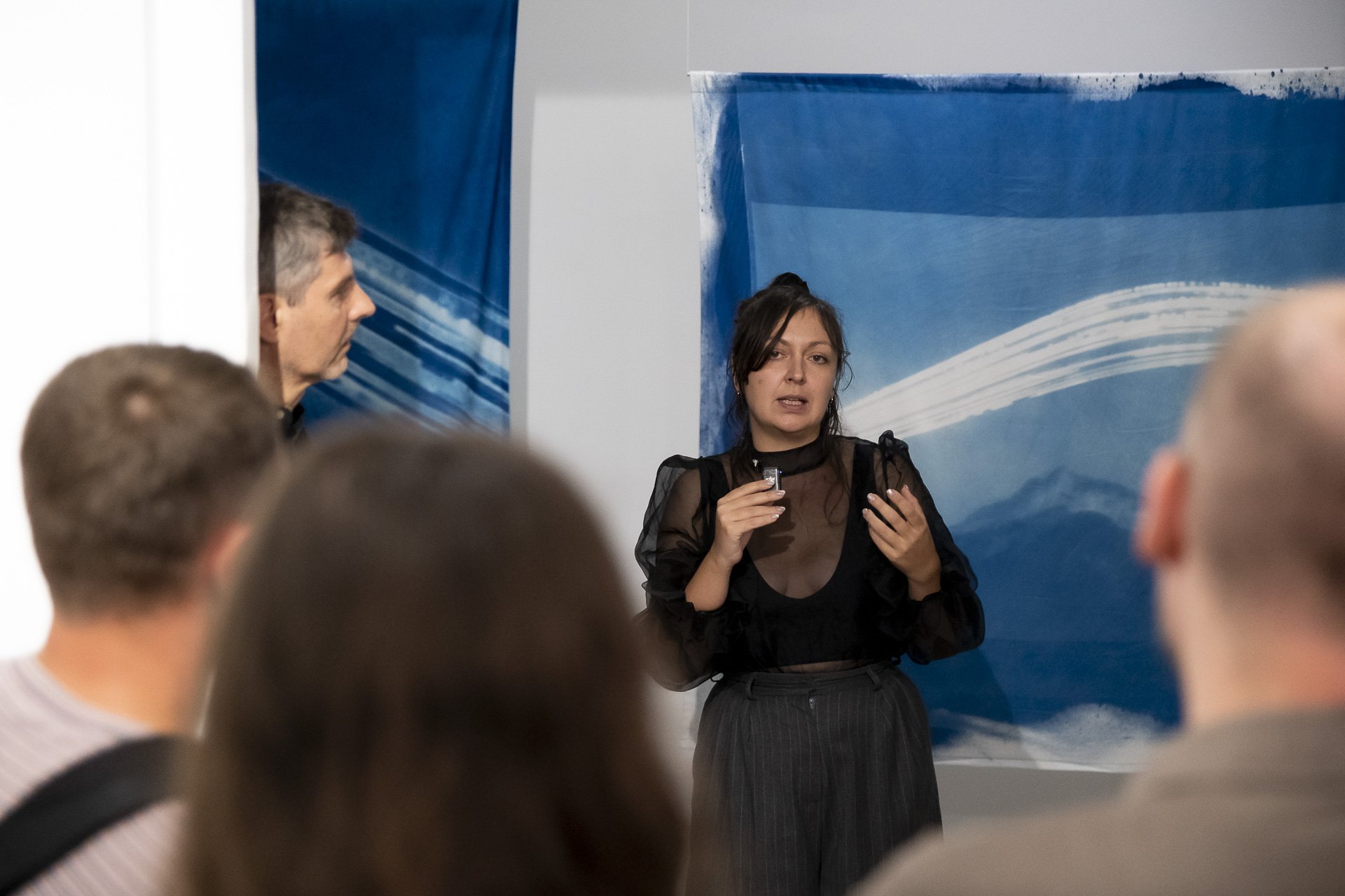
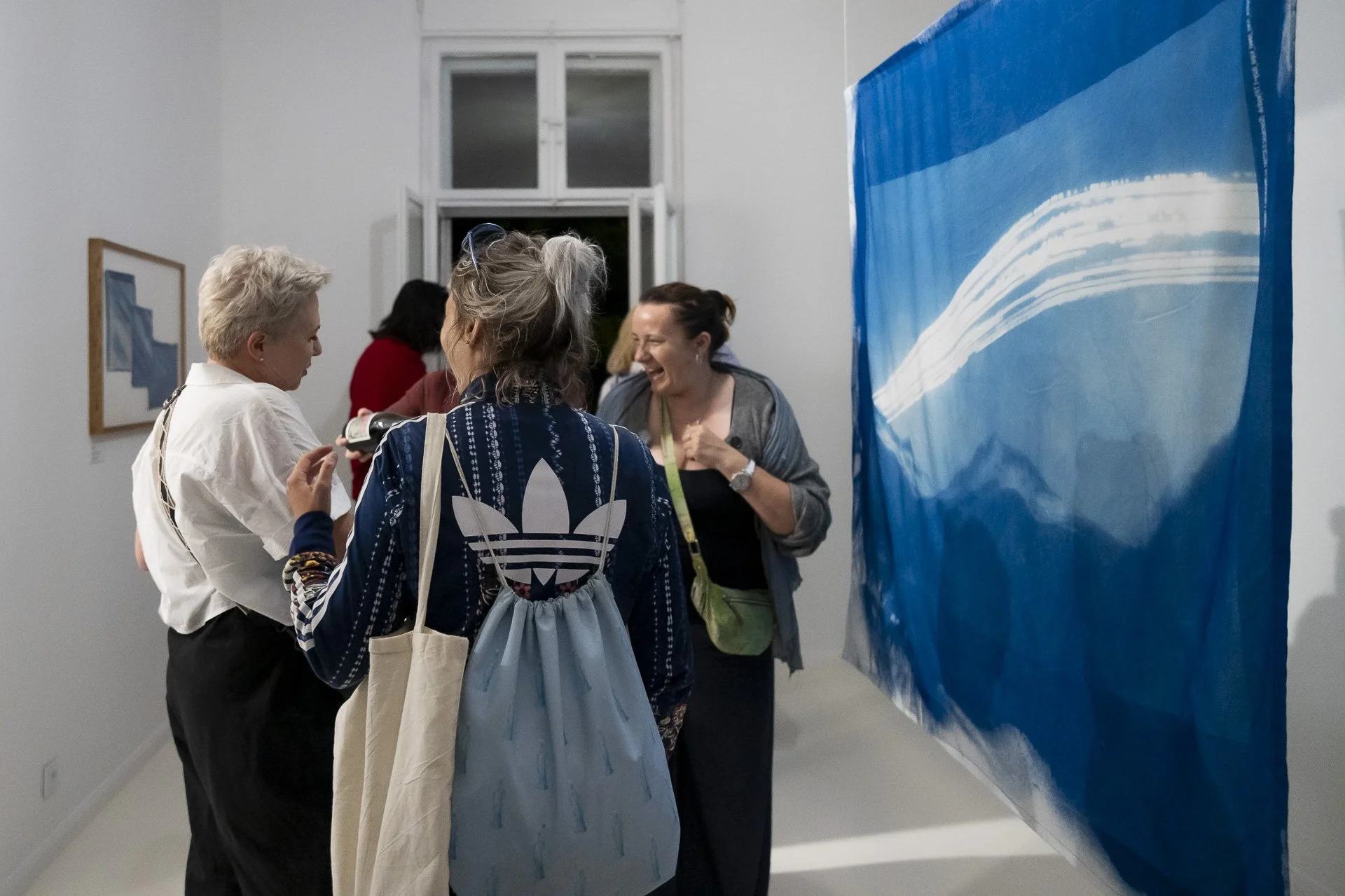
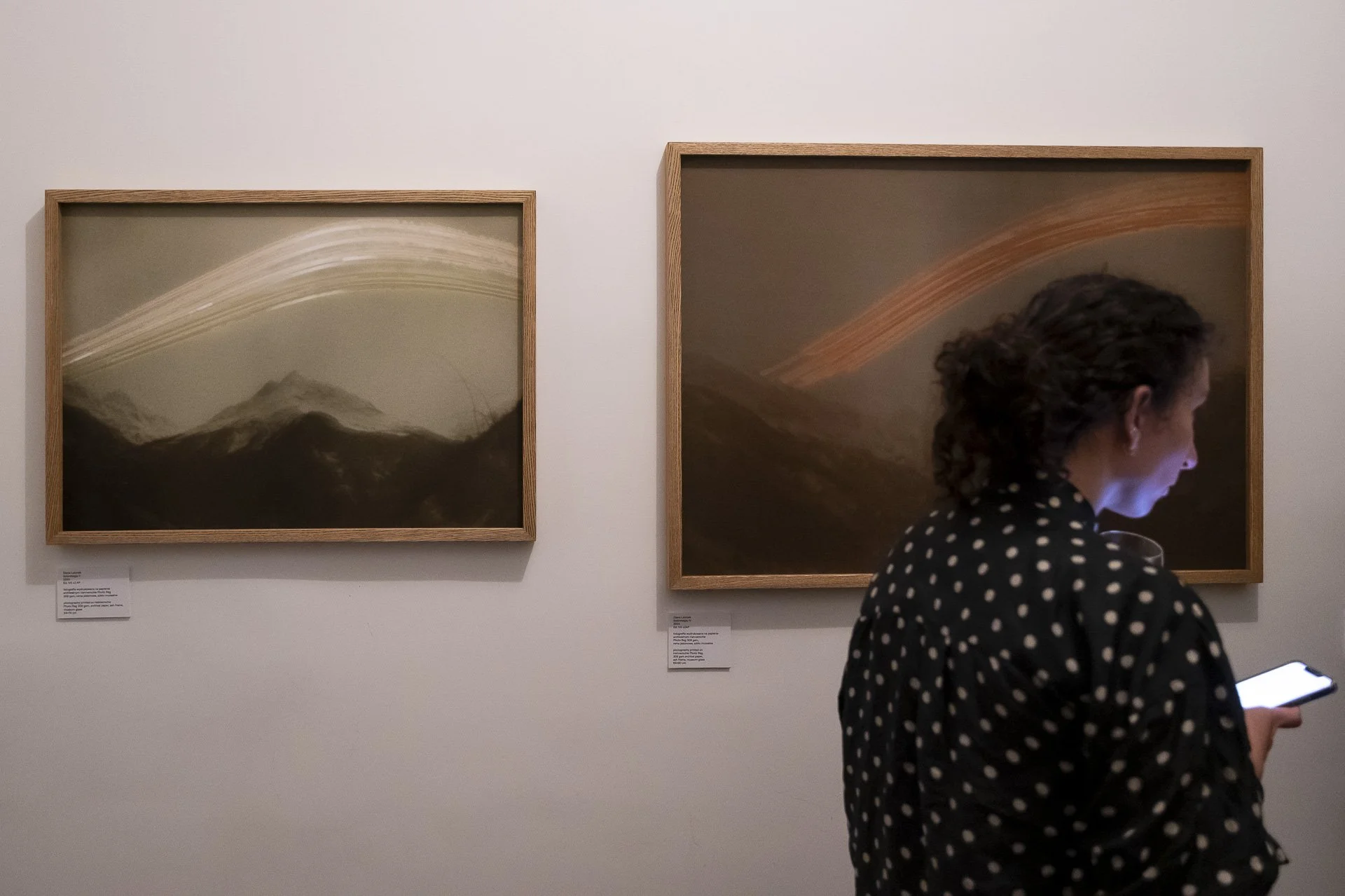
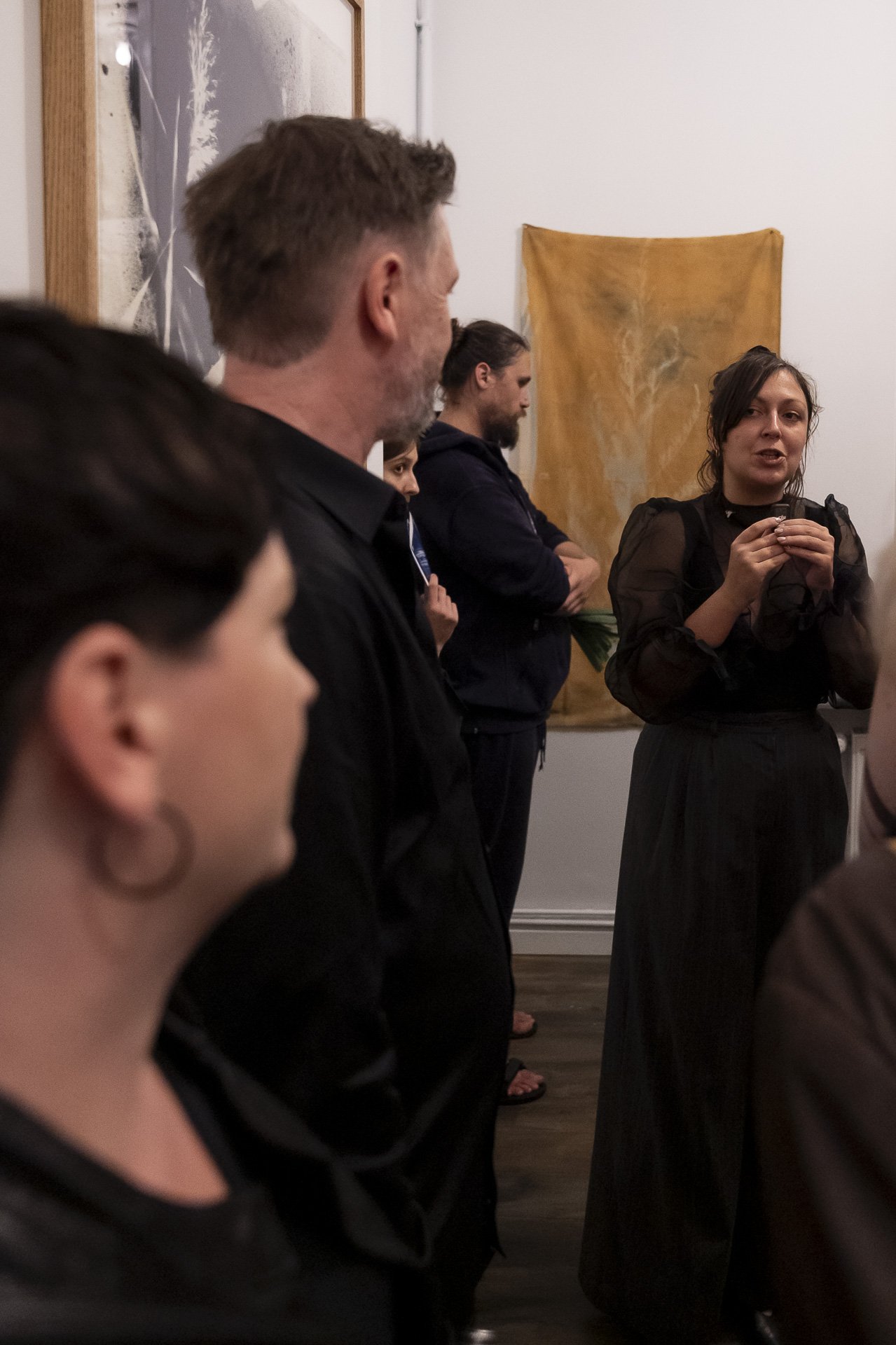
The title of the exhibition, “Solastalgia”, directs us toward the sun as a (once) essential factor in the process of image-making. It also draws from the term referring to the melancholy caused by climate catastrophe. In order to create the solarigraphs, later printed using the cyanotype technique, Diana Lelonek first had to travel to the mountains. Her destination was a shepherd’s hut located on an alpine meadow. In early spring, the artist, together with her partner, set out for the Alps, taking turns carrying a large box on their backs —a camera obscura containing photosensitive paper. For two months, sunlight entering through a small aperture traced its path against the backdrop of monumental peaks. The result was a negative in which the sun literally burned its own trace.
The exhibition by Diana Lelonek is connected with a return to her roots —photography, which she studied at UAP in Poznań. The artist also turns to the very beginnings of this field, employing early photographic techniques such as solarigraphy, cyanotype, and anthotype. The objects created in this way are unique — no two prints can be identical. The works are produced in close relationship with nature, which has been at the center of her artistic practice for years.




Michał Wirtel
”Transitions”
Curator: Mariola Balińska
16.05.2025 — 27.07.2025
Exhibition opening: 16.05 / 20:00
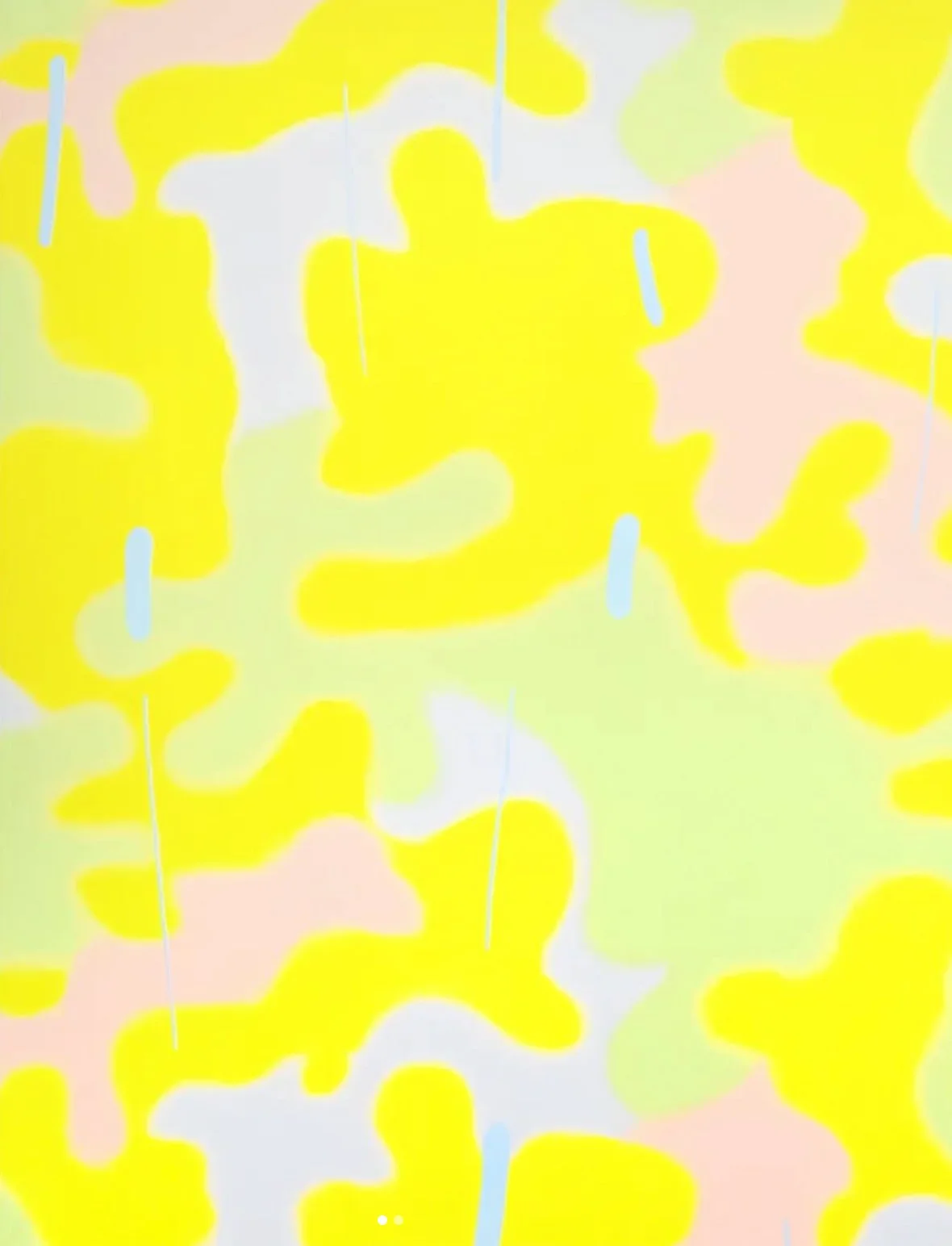
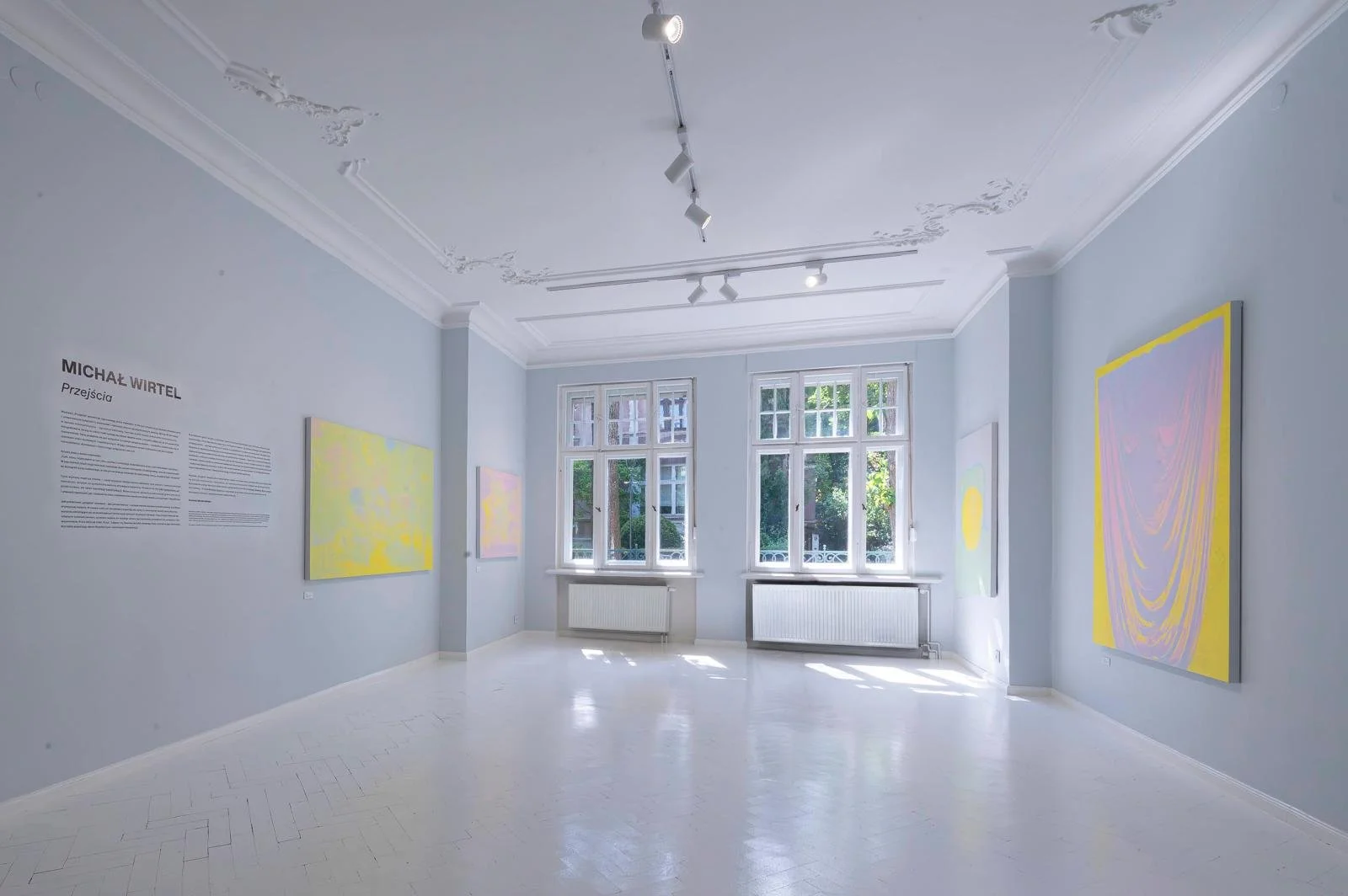
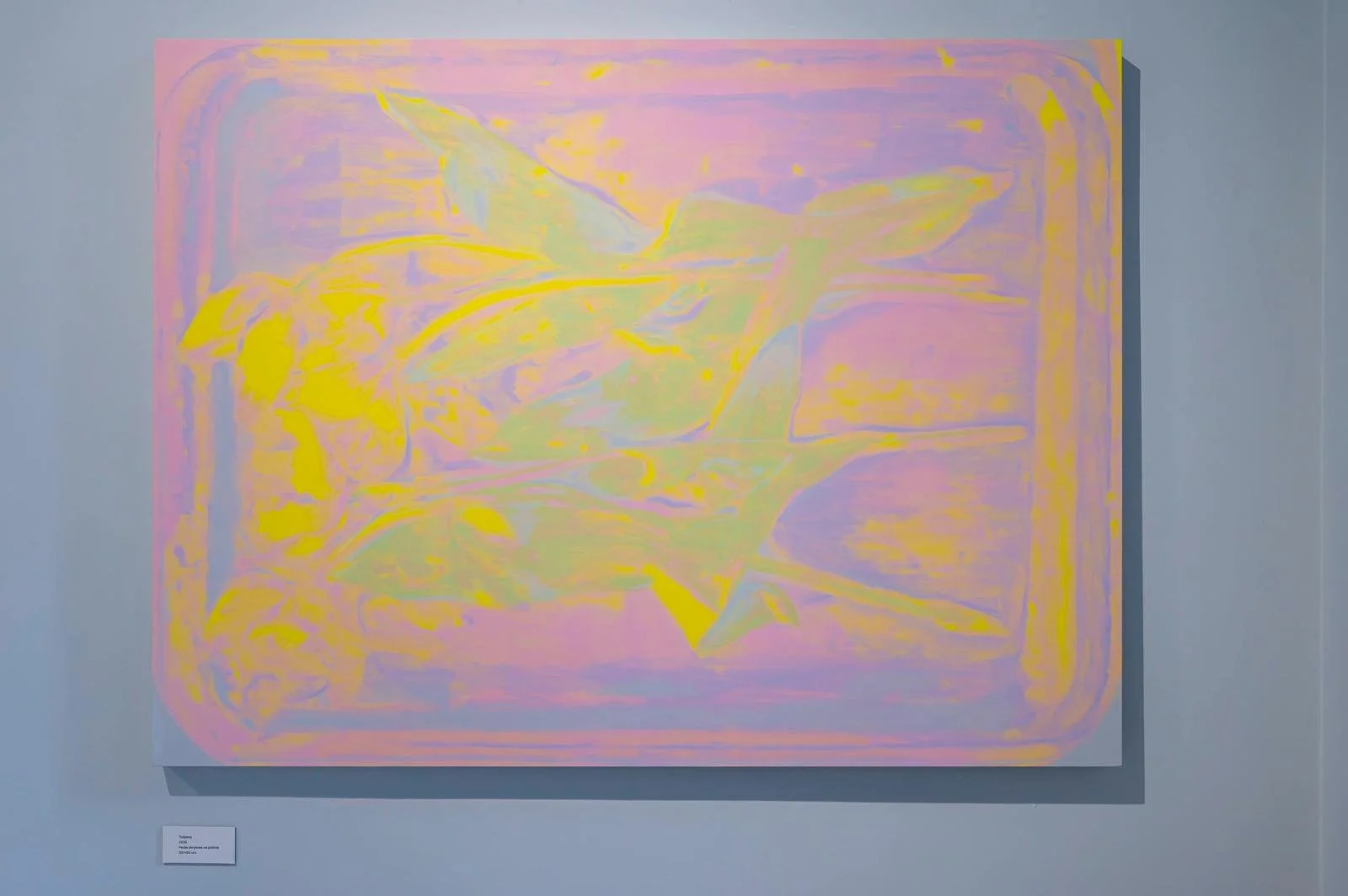
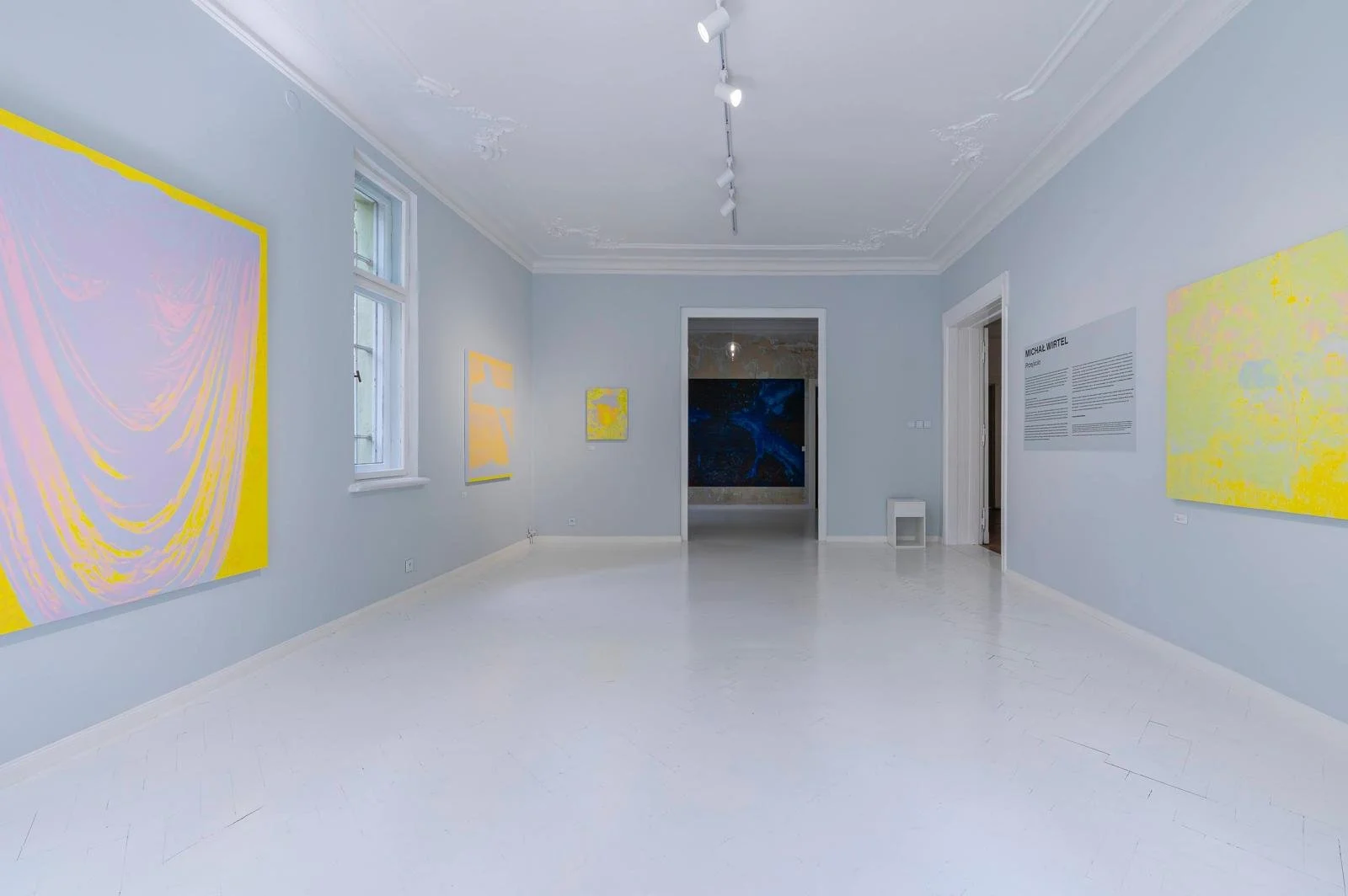
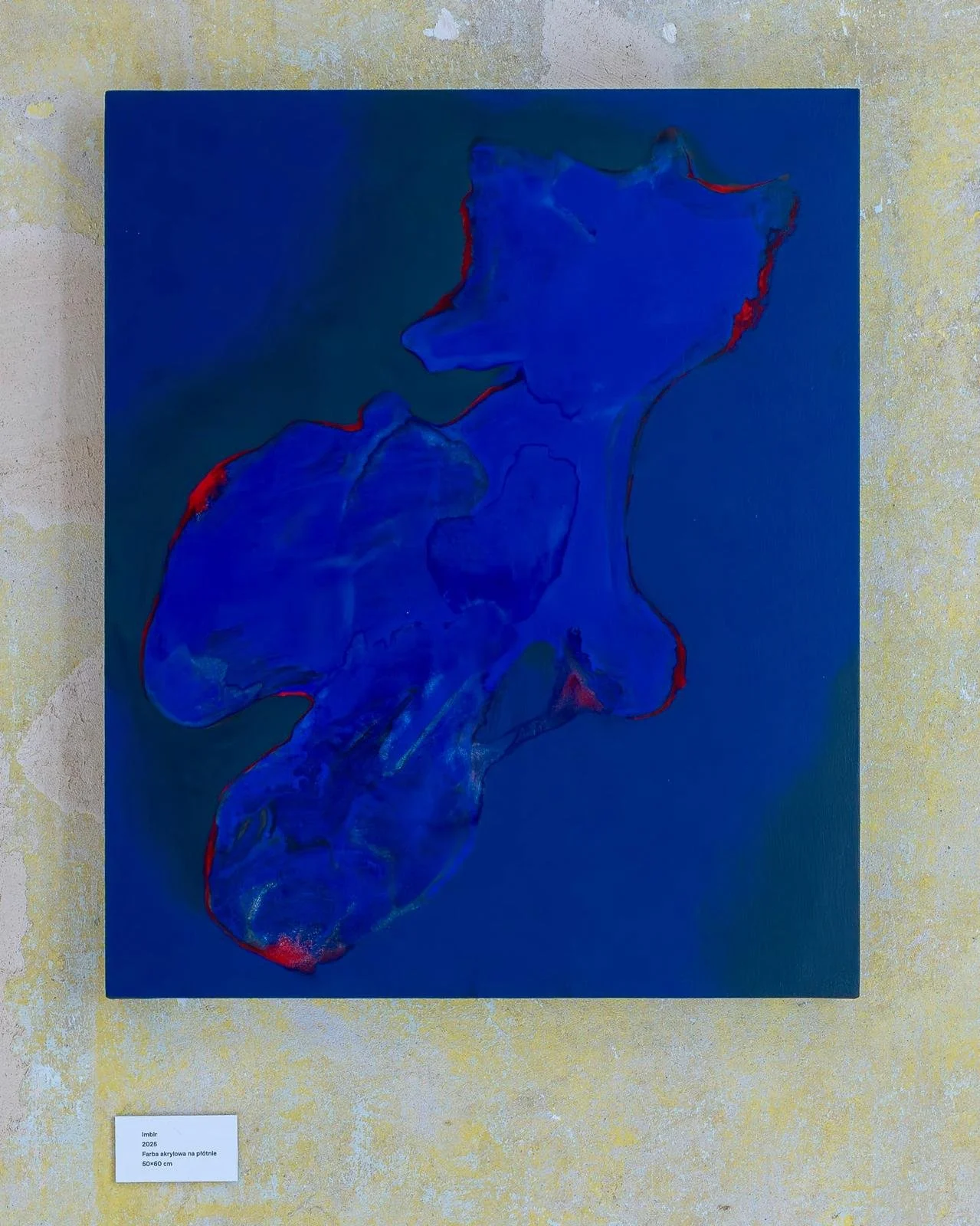
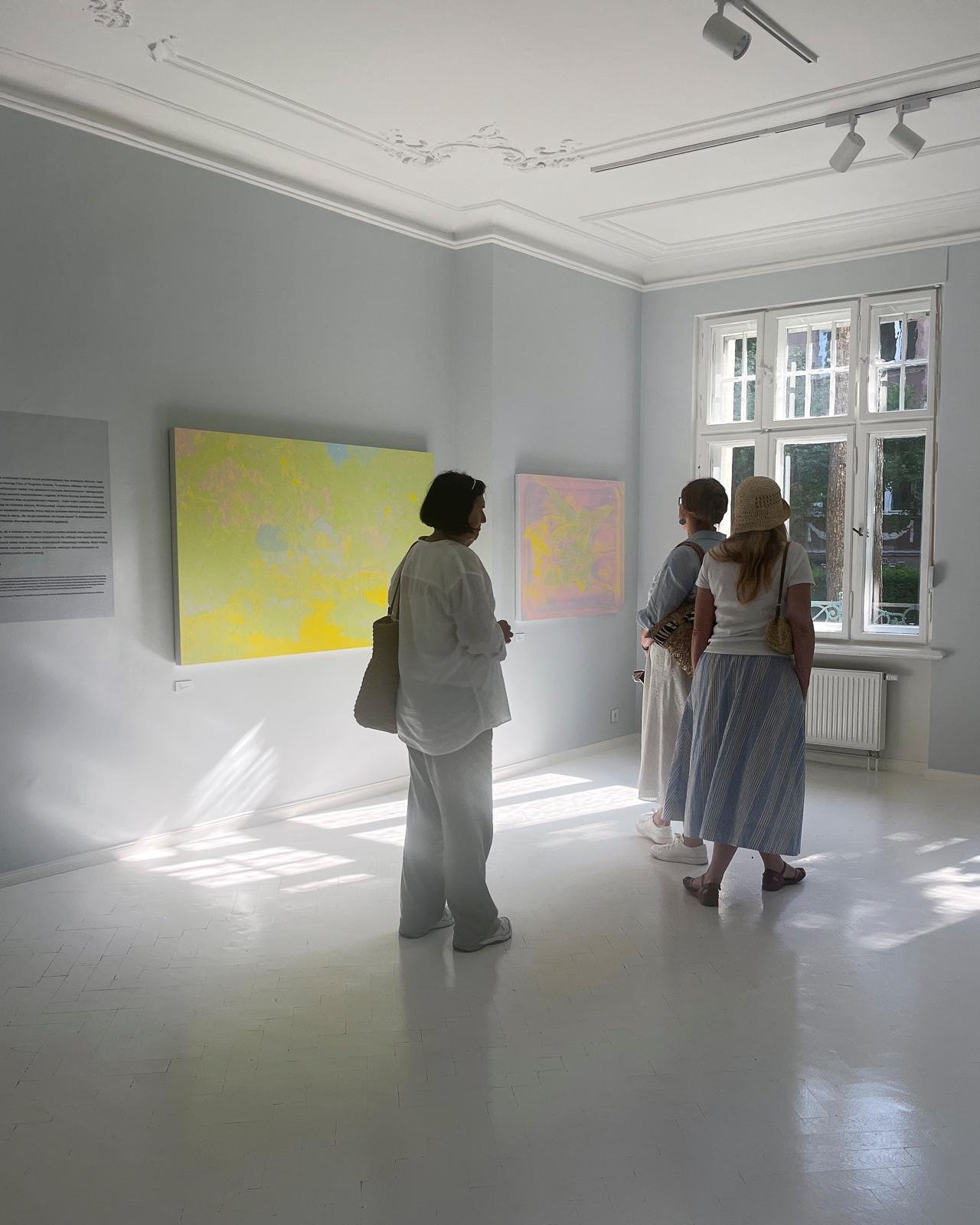
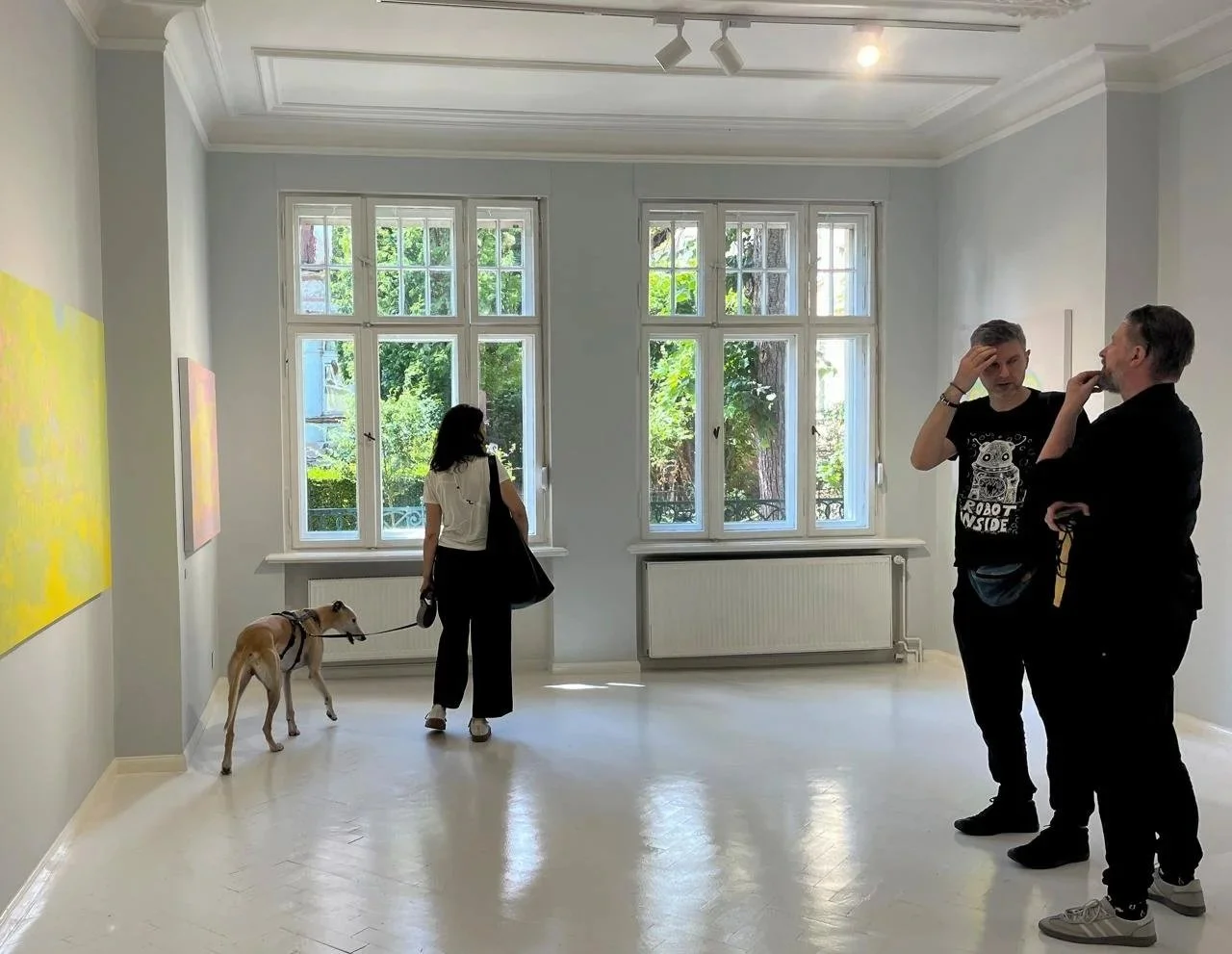
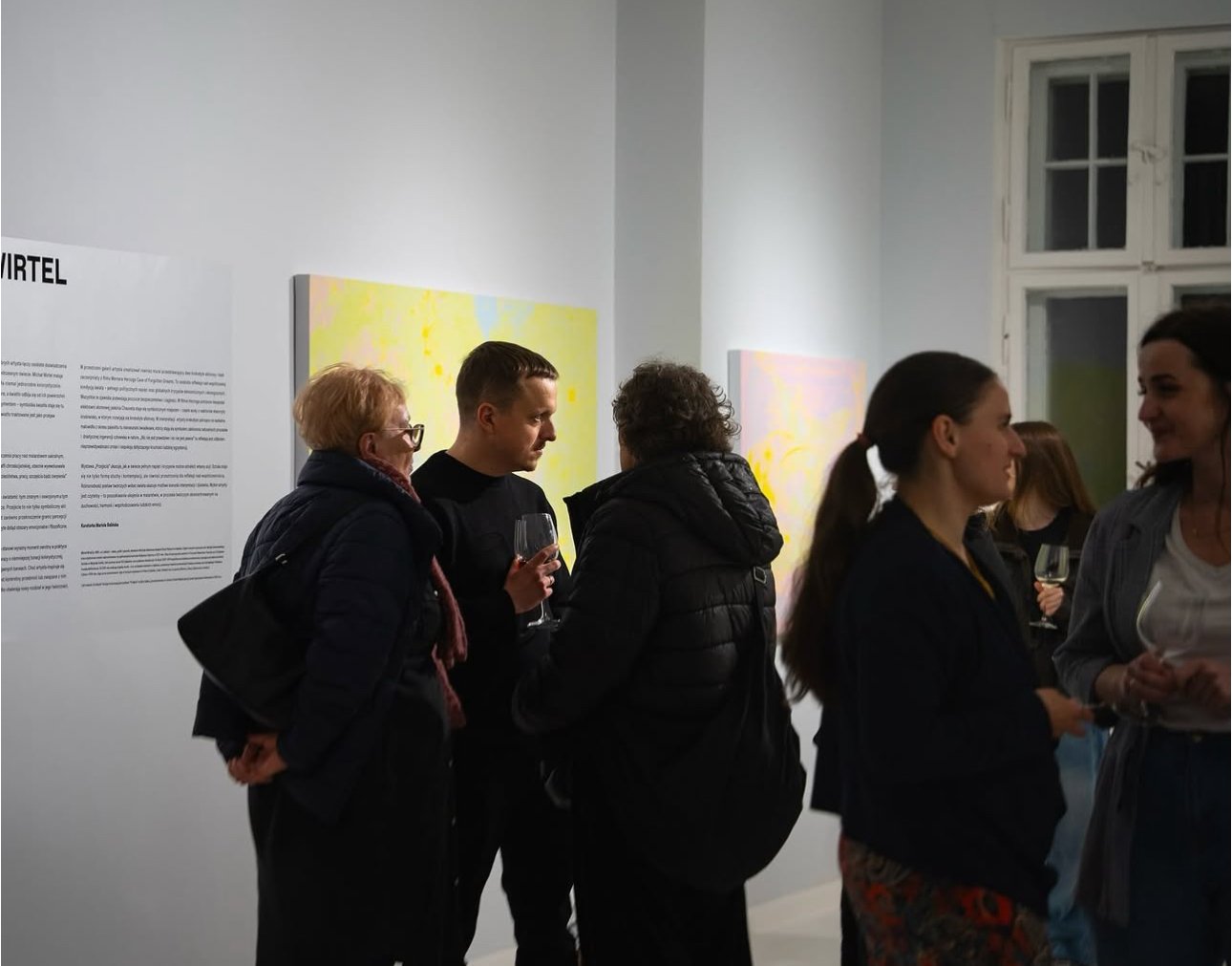
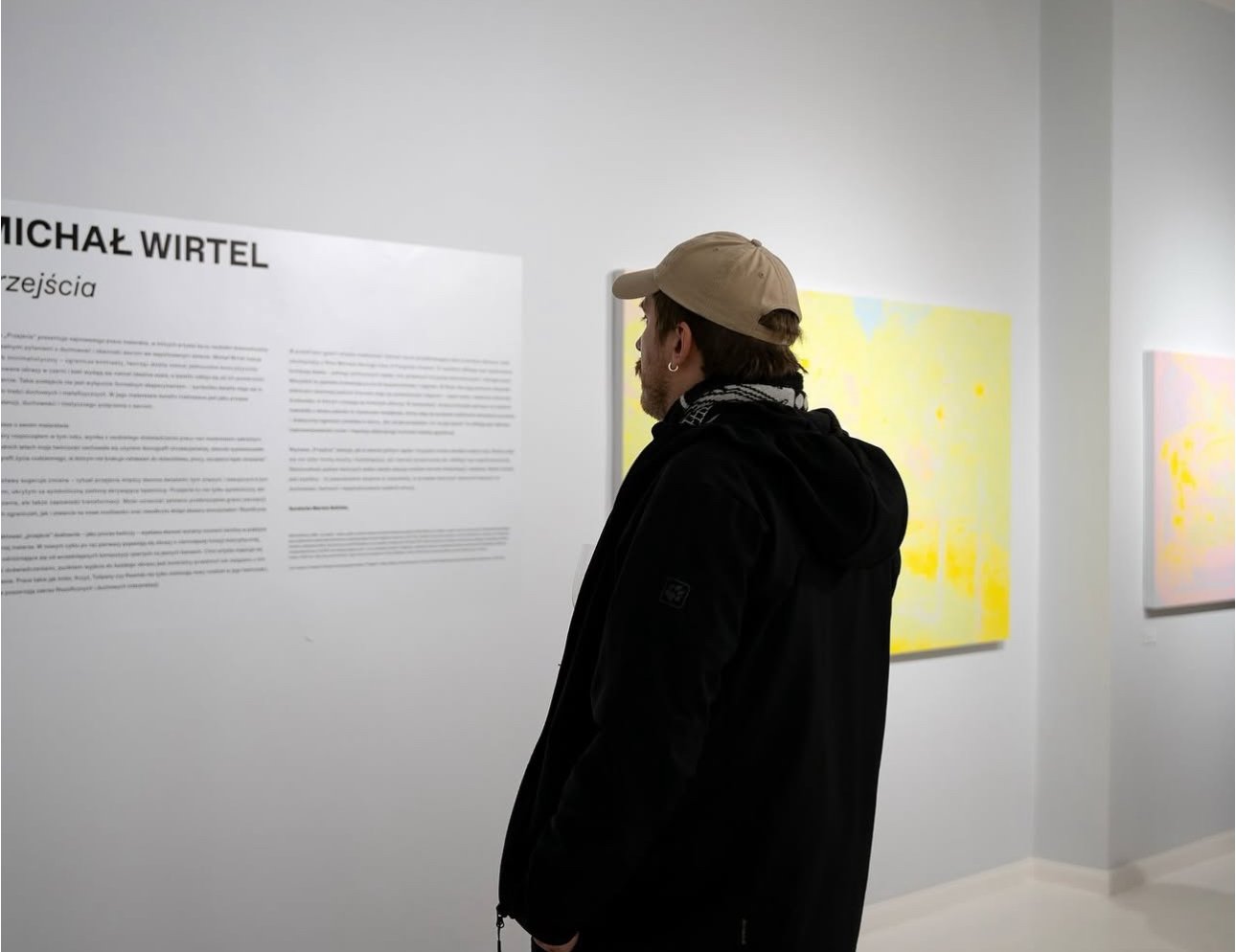
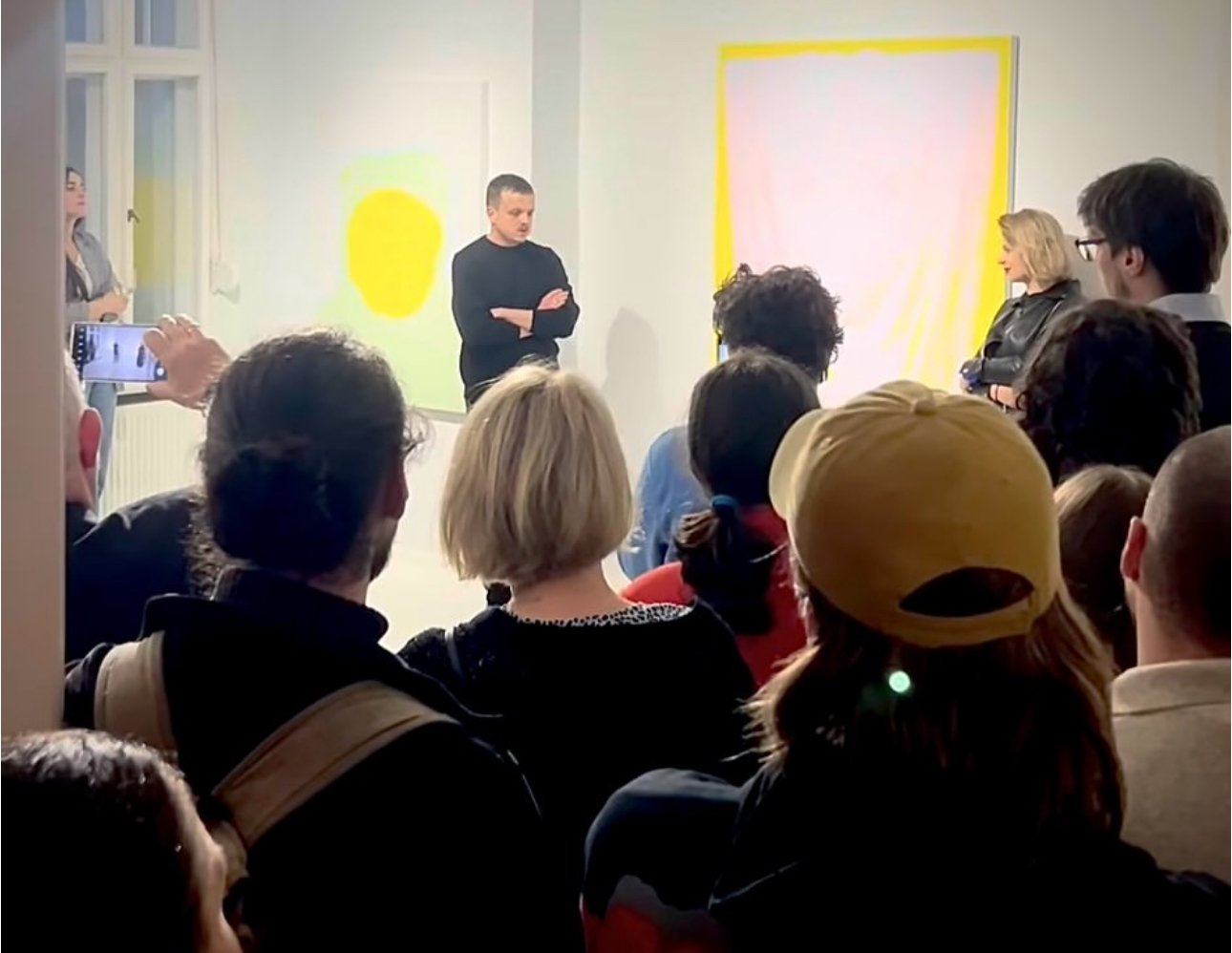
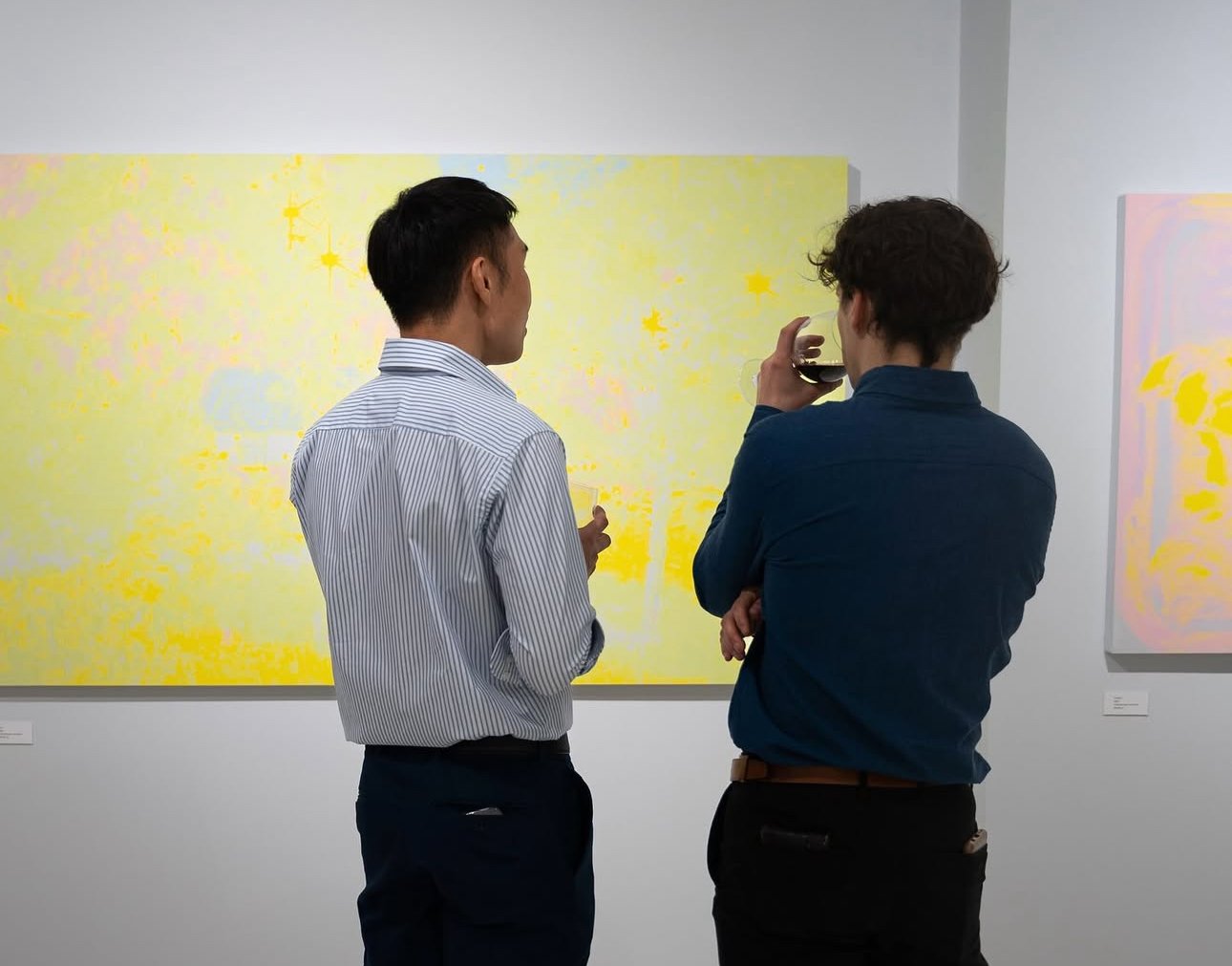
The exhibition “Transitions” presents the latest paintings by Michał Wirtel, in which the artist combines personal experiences with universal questions about spirituality and the presence of the sacred in the contemporary world. “Passages” shows how, in a world full of tensions and crises, one can find a personal refuge. Art becomes not only a form of comfort and contemplation, but also a space for reflection on contemporaneity.
The diversity of creative attitudes toward the world reveals possible directions of interpretation and action. The artist’s choice is clear — it is a search for solace in painting, in a creative process focused on spirituality, harmony, and empathy.
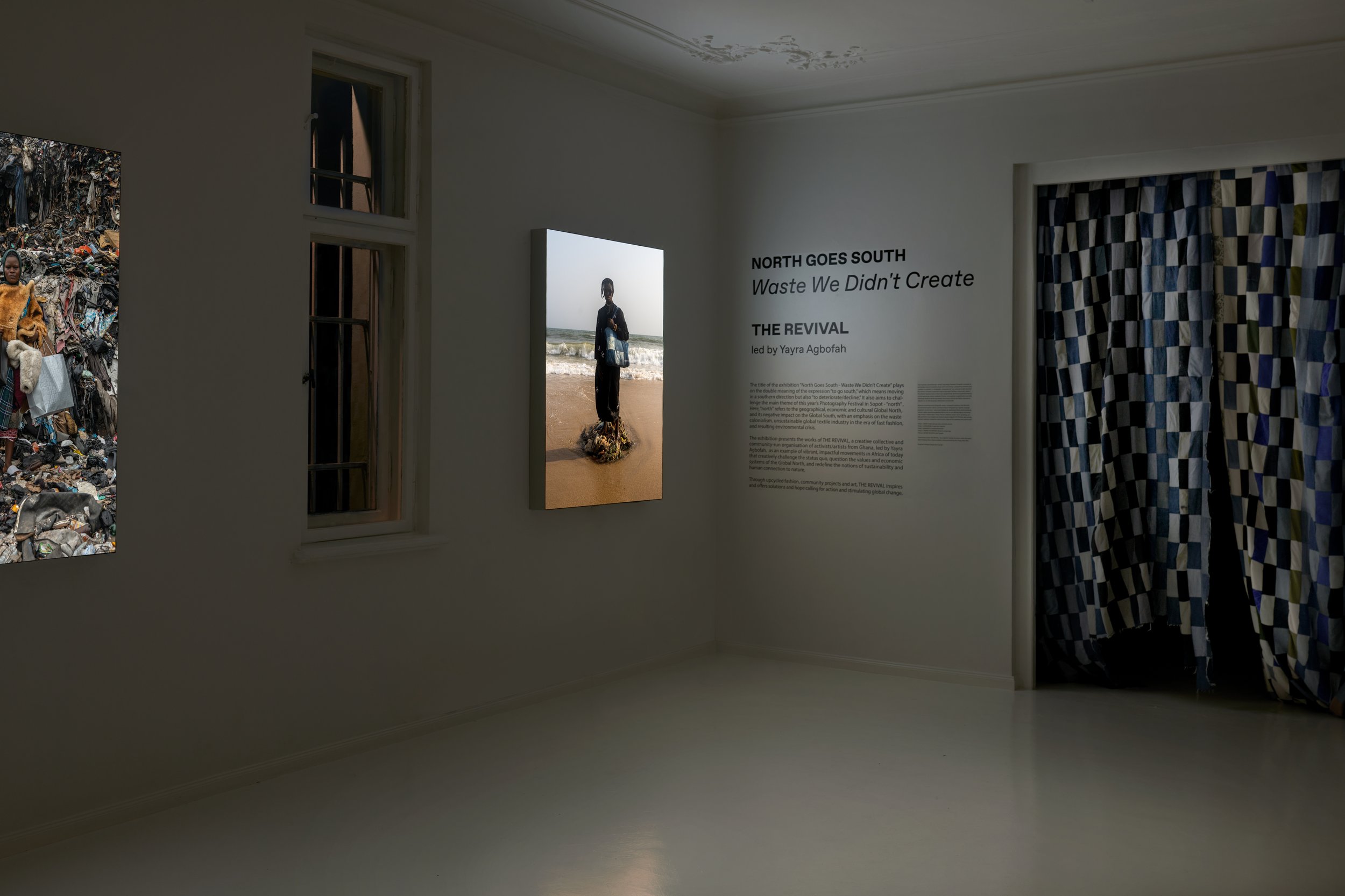
North Goes South
– Waste We Didn’t Create
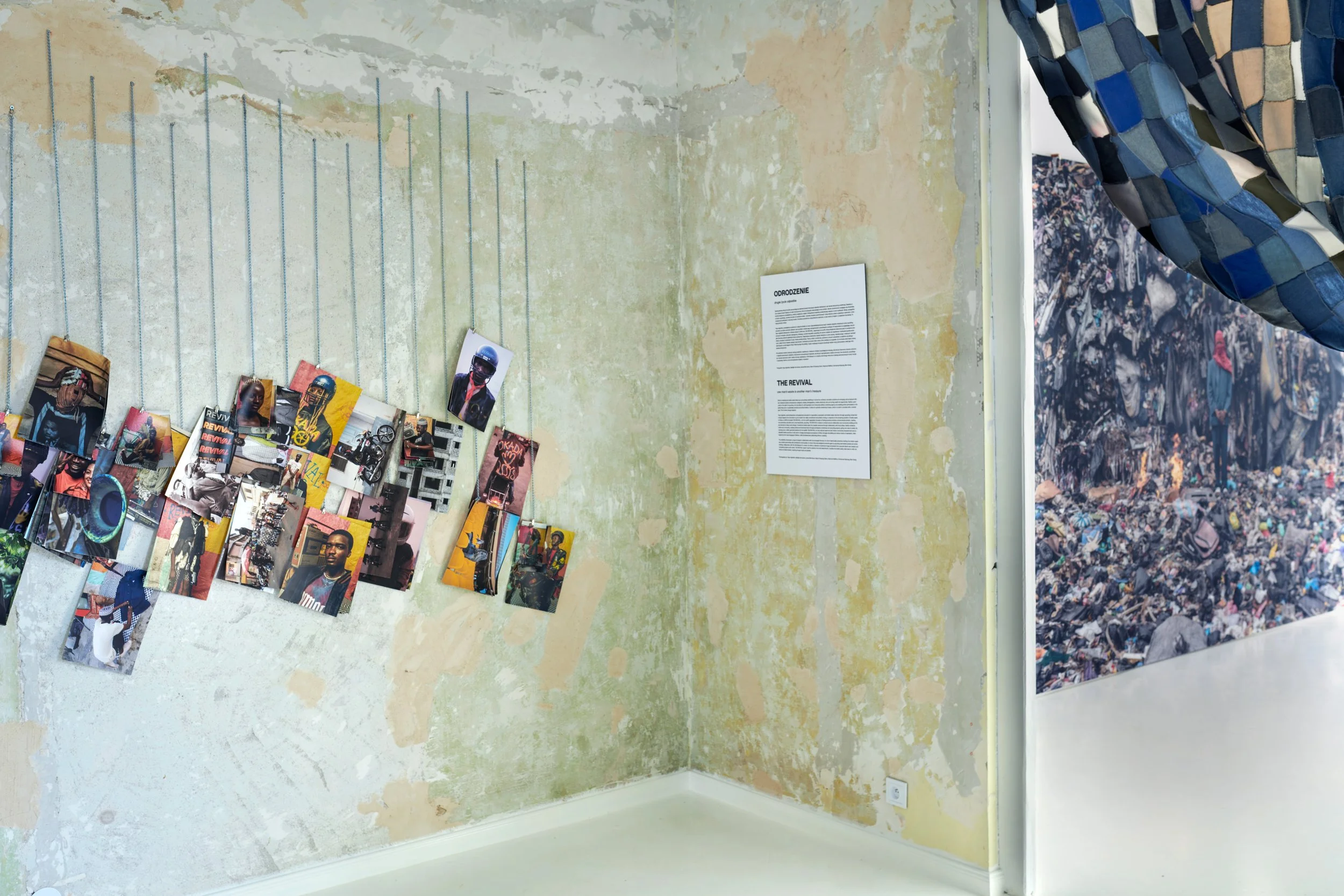
by THE REVIVAL (led by Yayra Agbofah)
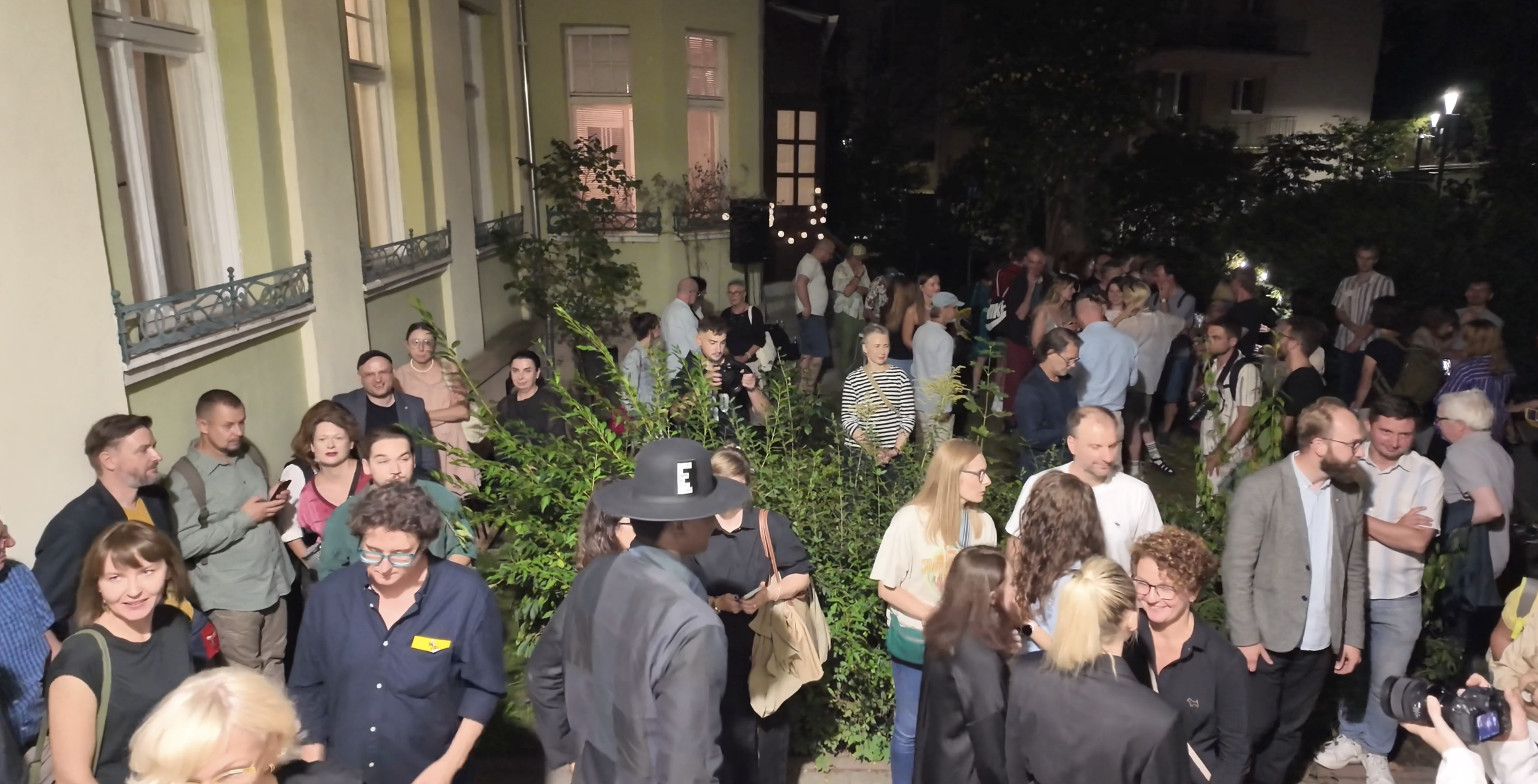
opening 6th September 2024 / 21:30
curated by: Ula Kahul, Małgorzata Popinigis
6 September – 13 October 2024
the exhibition is part of the Frames of Sopot Photography Festival held under the patronage of the City of Sopot and State Art Gallery in Sopot

The title of the exhibition “North goes South - waste we didn’t create” plays on the double meaning of the expression “to go south,” which means moving in a southern direction but also “to deteriorate/decline”.
It also aims to challenge the main theme of this year’s Photography Festival in Sopot, – North, as the show is a part of festival’s celebratory 10th edition programme.
Here, “north" refers to the geographical, economic and cultural Global North, and its negative impact on the Global South, with an emphasis on the waste colonialism, unsustainable global textile industry in the era of fast fashion, and resulting environmental crisis.
The exhibition presents the works of THE REVIVAL, a collective and community-run organization of activists/artists from Ghana, led by Yayra Agbofah, as an example of vibrant, impactful movements in Africa of today that challenge the status quo, question the values and economic systems of the Global North, and redefine the notions of sustainability and human connection to nature. Through upcycled fashion, community projects, art, and the powerful language of photography, THE REVIVAL inspires and offers solutions and hope in times of crisis, calling for action and stimulating global social change.